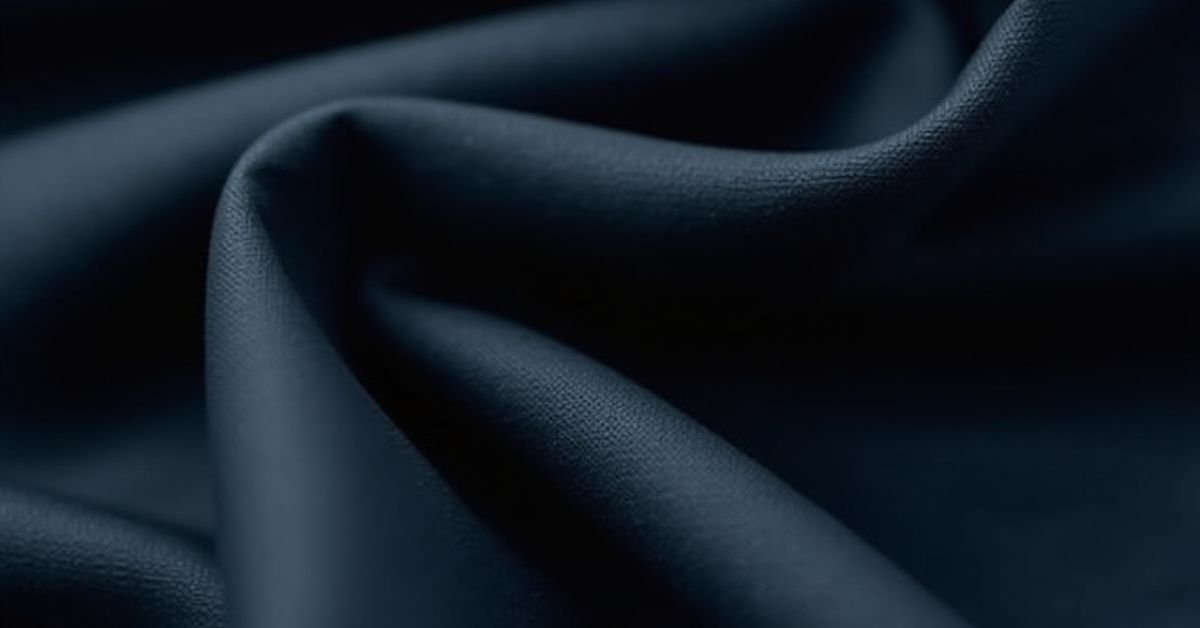

Introduction-
Nylon is a widely used fabric known for its strength and versatility. In fact, nylon is entirely synthetic, first created by chemists in the 1930s. In contrast, natural fibers come from plants or animals. They are renewable and biodegradable. So, is nylon a natural fiber? This question matters for sustainability and fashion. For example, almost 70% of fast-fashion clothes use synthetic fibers like nylon or polyester. These fabrics do not break down easily. As a result, understanding nylon’s origin helps consumers choose greener textiles.
What is Nylon?

DuPont chemist Wallace Carothers invented nylon in 1935. By 1939, DuPont announced nylon as the first fully synthetic plastic fiber. Chemically, manufacturers make nylon by polymerizing petroleum-based chemicals into long polyamide chains. This means nylon is essentially a plastic fiber. For example, combining hexamethylenediamine with adipic acid under heat creates a common nylon (nylon 6,6). During World War II, nylon replaced silk in parachutes and women’s stockings. Today, nylon appears in many items: activewear, hosiery, swimwear, ropes, and carpets.
What are Natural Fibers?
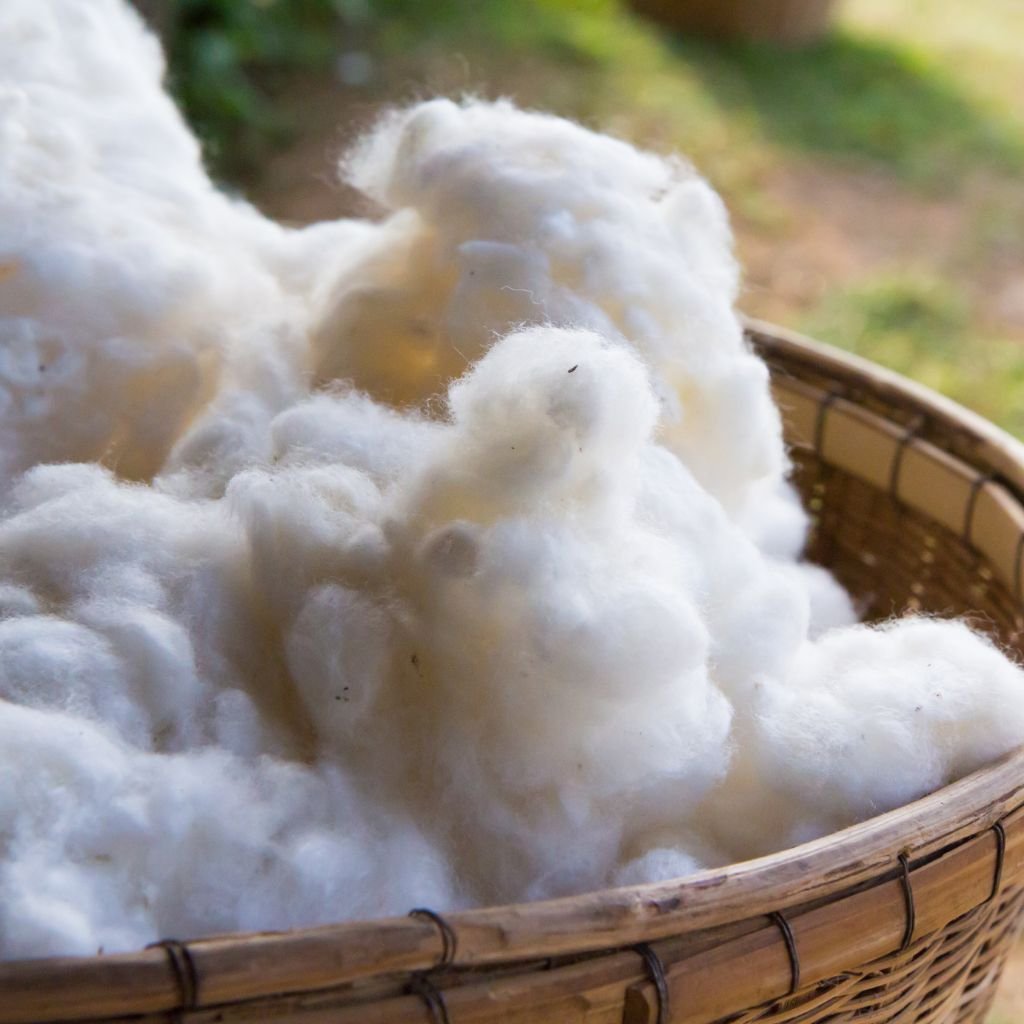
Natural fibers come from plants, animals, or even minerals. In other words, they grow in nature rather than in a factory. Natural fibers are typically renewable and biodegradable, meaning they can return to the earth after use. They also tend to be breathable and comfortable. By contrast, synthetic fibers like nylon are man-made plastics. Examples of natural fibers include cotton, wool, silk, hemp, and jute.
- Cotton: Soft, comfortable plant fiber often used in clothing and bedding.
- Wool: Animal fiber (from sheep, goats, etc.) that is warm and absorbs moisture.
- Silk: Natural protein fiber (from silkworms) known for its smooth feel and strength.
- Hemp: Eco-friendly plant fiber that is very strong, durable, and breathable.
- Jute: Rough plant fiber used for sacks and rugs; it is coarse but strong.
Key characteristics of natural fibers include:
- Biodegradable: They break down naturally over time.
- Breathable: They allow air and moisture to pass through.
- Renewable: They can be regenerated through farming or animal rearing.
- Comfortable: They feel soft and natural on the skin.
Is Nylon a Natural Fiber?
Nylon is not a natural fiber. It is entirely synthetic. In fact, nylon became the world’s first fully synthetic textile fiber. Scientists make nylon from petroleum-based chemicals, not from plants or animals. Therefore, nylon’s origin is completely man-made.
Origin and Composition
Nylon originates from petroleum-based chemicals. Natural fibers, by contrast, come from living organisms. For example, cotton is a plant fiber made of cellulose. Wool is a protein fiber from sheep. Nylon’s raw materials are industrial petrochemicals. Natural fibers instead grow on farms or in nature.
Production and Manufacturing
Manufacturers create nylon by chemically linking monomers under heat and pressure. In factories, these reactions form long nylon polymer chains. By contrast, natural fibers are produced biologically. Farmers grow cotton plants or raise sheep, then harvest the fibers when ready. In short, nylon production uses intensive chemistry, whereas natural fibers only need growing and collecting.
Properties Comparison
Nylon fibers have very high strength and elasticity. They can stretch under stress and recover their shape. Natural fibers, in contrast, are usually softer and more breathable. For example, cotton or linen allow air and moisture to pass through. However, natural fibers are not as durable under stress. They will tear or wear out sooner than nylon under the same conditions.
Key Differences Between Nylon & Natural Fibers
Source of Raw Materials
Nylon is made from petroleum or coal derivatives. Natural fibers come from renewable sources: plants, animals or minerals. For instance, cotton grows on a plant, and wool is sheared from sheep. Nylon relies on finite fossil fuels, whereas natural fibers rely on biological growth cycles.
Production Methods
Nylon is produced through chemical synthesis in factories. By comparison, natural fibers are produced by biological processes and farming. For example, cotton is planted and picked, and wool is sheared from sheep. Nylon production requires intensive industry, whereas natural fibers need fields or farms.
Durability & Elasticity
Nylon is exceptionally durable and elastic. It can stretch under stress and spring back without breaking. Natural fibers are usually less resilient. For example, nylon ropes can bear heavy loads that would tear cotton or wool ropes.
Breathability & Biodegradability
Natural fibers are breathable and biodegradable. They allow air circulation and absorb moisture. Nylon fabrics, in contrast, are water-resistant and hold heat. Furthermore, nylon is not biodegradable. It can persist in landfills or break into microplastics, whereas natural fibers will decay.
Environmental Impact
Nylon has significant environmental costs. Its production consumes large amounts of energy and emits greenhouse gases. When discarded or washed, nylon fabrics shed microplastic fibers that pollute water bodies. By contrast, natural fibers generally have a smaller persistent footprint. They require land and water to grow, but their waste biodegrades. Overall, nylon is a greater source of long-term pollution than most natural fibers.
Why Do People Think Nylon is Natural? (Misconceptions)
Some confusion comes from names and marketing. For example, linen is a natural fiber (from flax), and the words sound similar to nylon. Also, terms like “eco-nylon” or “regenerated nylon” are used. These refer to recycled nylon made from plastic waste, not to a plant fiber. Such buzzwords can misleadingly imply the material is natural or earth-friendly. In reality, any nylon (even recycled) is still a man-made fiber, not a natural one.
Pros & Cons of Nylon vs Natural Fibers
- Nylon Pros: Very strong and durable. It is also lightweight and water-resistant. Nylon is affordable when mass-produced.
- Nylon Cons: Not biodegradable, so it persists as waste. It sheds microplastic fibers when washed. Nylon is also less breathable, which can feel hot and sticky.
- Natural Fiber Pros: They are biodegradable and renewable. Natural fabrics (cotton, wool, etc.) are breathable and comfortable. Many are hypoallergenic and soft on skin.
- Natural Fiber Cons: Generally less durable than nylon and wear out faster. Premium natural fibers (silk, cashmere) can be expensive. Natural fibers absorb moisture, leading to slow drying or shrinkage.
Sustainable Alternatives to Nylon
Recycled Nylon (e.g., Econyl®)
Recycled nylon is made by reclaiming existing plastic instead of new oil. For example, fishing nets and old carpets are melted down and re-spun into new nylon yarn. This regenerated nylon has the same strength as virgin nylon but uses much less energy and no new petroleum. It can be recycled repeatedly, reducing waste and resource use.
Bio-based Synthetics
Bio-based synthetics use renewable plant feedstocks. For example, some nylons now use plant oils or sugars as their raw material. These plant-derived molecules are still polymerized into a nylon-like fiber. The result is a synthetic material that partly comes from plants and uses less petroleum.
Natural Fiber Blends
Blends of natural fibers are another option. For example, hemp and bamboo fabrics are gaining popularity. Hemp is a fast-growing plant that yields strong, eco-friendly fiber. Bamboo fabric (made from bamboo pulp) is soft and breathable. Often, these fibers are blended with cotton or recycled polyester to boost performance. In general, fabrics like hemp-cotton or bamboo-viscose combine strength with sustainability.

How to Identify Nylon in Products
- Check the Label: Look at the fabric tag for “nylon” or “polyamide”.
- Feel the Texture: Nylon feels smooth, cool, and a bit shiny.
- Stretch and Drape: Nylon is elastic; it will stretch slightly and recover.
- Wrinkle Test: Nylon resists creasing. If a fabric hardly wrinkles, it likely contains nylon.
- Burn Test (Caution): Nylon melts when burned and smells like plastic. Natural fibers burn differently (e.g., cotton smells like paper, wool like hair).
Is Nylon Biodegradable?
Nylon is not biodegradable. It does not break down naturally in the environment. Instead, it can take decades or longer to decompose. Each wash can shed tiny plastic fibers that pollute waterways. In contrast, natural fibers like cotton or wool will biodegrade over time. Therefore, nylon garments contribute to long-term plastic pollution.
Conclusion
In conclusion, nylon is a fully synthetic, man-made fiber — not a natural one. It was invented in the lab and offers excellent durability, but it does not biodegrade. Because of this, it poses environmental challenges if improperly discarded. Natural fibers like cotton or wool, in contrast, biodegrade and come from renewable sources. Whenever possible, choosing sustainable fabrics (recycled nylon, organic cotton, hemp, etc.) can reduce impact. Ultimately, understanding that nylon is not a natural fiber helps consumers make eco-friendly textile choices.
Read More>> About other synthetics fabrics.
FAQs
Nylon is made from synthetic polymers, specifically from substances like adipic acid and hexamethylenediamine. These materials are chemically derived from petroleum and then polymerized to form nylon threads or sheets.
You can identify nylon by:
Checking the label for “100% nylon” or a nylon blend
Feeling the fabric – it’s usually smooth and slightly shiny
Testing its stretch – nylon is highly elastic
Looking for its water-resistant properties
Nylon is generally safe, but some people with sensitive skin may experience irritation due to its lack of breathability or when it traps heat and sweat. Natural fibers are often better for hypoallergenic clothing.
While recycled nylon is a step in the right direction, it is not a natural fiber and not biodegradable. It helps reduce waste and pollution but still carries environmental concerns common to synthetic materials.