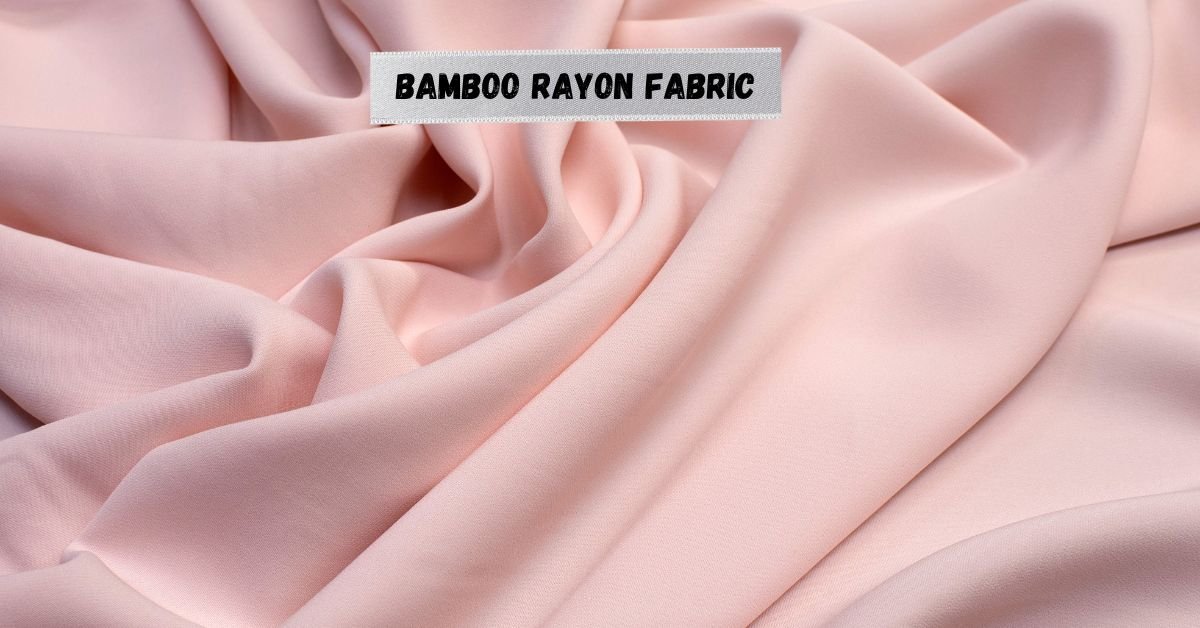

What is Bamboo Rayon?
Bamboo rayon is a form of semi-synthetic fiber which is produced through the chemical treatment of cellulose obtained from bamboo. Because of its natural origins, the resulting product is soft and breathable. Furthermore, its applications go beyond textiles: bamboo rayon fabrics differ from other textiles in their ease of maintenance. In addition to these properties, these fabrics are sometimes named bamboo viscose or regenerated bamboo. Another benefit to bamboo rayon is the lightweight and comfortable feel it provides. In spite of these benefits, these fabrics have raised sustainability questions.
Is Bamboo Rayon Natural or Synthetic?
Bamboo rayon is categorized as semi-synthetic because it is situated in between natural and synthetic fibers. Its source is natural bamboo pulp; however, it undergoes transformations through chemical processes. Because of this, the fabric loses many of the desirable properties of bamboo. Unlike the mechanical treatment of bamboo (such as bamboo linen), bamboo rayon is subjected to heavy chemical treatment. This means it is not purely natural like cotton or wool, but neither is it fully synthetic like polyester.
Bamboo Rayon vs. Bamboo Linen (Mechanically Processed Bamboo)
The process to create bamboo linen is more sustainable than the production of bamboo rayon. Bamboo rayon uses harsh chemical solvents, while bamboo linen uses the gentler mechanical method of enzymes to break down and soften bamboo fibers after the plant is crushed .The final product differs in texture as well. Bamboo linen has more costs associated with it which leads to it being less common, but the environmental impacts are well worth it. The gentler production of bamboo rayon results in fabrics that are softer and easier to wear.
How Bamboo Rayon is Made: Step-by-Step Process

1. Harvesting Bamboo
Usually, harvesting begins with the collection of the fast-growing bamboo plant, which can be found in certain FSC-certified farms. These plants are harvested without the use of any pesticides. Once harvested, the bamboo stalks are immediately cut into smaller chips.
2. Creating Bamboo Pulp
Subsequently, the bamboo chips are placed in a container with a specific liquid mixture of sodium hydroxide and other chemicals. Through soaking, it is able to break down the chips into a pulpy cellulose mixture. While the mixture goes through the refining process, it can be filtered to separate all the unwanted substances and impurities.
3. Chemical Processing (Viscose Rayon Method)
Carbon disulfide is needed in turning the filtered pulp into viscous liquid. This step is extremely important as it would turn the bamboo cellulose into viscose which is something that has a different structure from bamboo which is the part where the plant undergoes a transformation.
4. Spinning into Fibers
The viscose solution is spun into filaments and treated with baths of sulfuric acid which causes a reaction that solidifies the solution into strands. After the solution has fully reacted, the fibers are washed and dried to be spun into yarn.
5. Weaving into Fabric
At last the yarn gets woven or knitted into fabric. Manufacturers may blend it with other fibers for instance cotton or spandex. Fashion or home textiles make use of the fabric afterwards, which is dyed and finished.
Comparison with Traditional Rayon
Bamboo rayon is valued by its exquisite softness. In many cases, it is smoother and silkier than regular cotton. Its long fibers of bamboo and fine yarns has a feeling of buttery softness which falls best. This gentle handfeel makes clothes and bedding quite comfortable to the skin. Bamboo rayon is strong even though it is thin. Its softness is compared by many to those of fine-grain fabrics and many find it extremely comfortable to wear the whole day.
Environmental Concerns (Carbon Disulfide Use and Pollution)
There are severe environmental and health concerns in the production of bamboo rayon. In viscose process, carbon disulfide, which is a poisonous solvent, is used. Majority of factories continue to bear carbon disulfide wastes, which may either vaporize to the air or dirty the water. Such pollution is dangerous to the factory employees and the surrounding population. Aneurysm, organ failure, and the neurological damage can occur in workers who breathe in carbon disulfide.
Unsafe exposure levels in the air have been reported in the bamboo viscose mills. Recycling solvents by means of closed-loop systems or lyocell methods is now used by some manufacturers but the majority of bamboo rayon production remains as done conventionally, with a toxic legacy. Concisely, though bamboo rayon originates to a renewable plant, it results to carbon gas emission as well as toxic by-products (unless the production process is done with extra care).
Benefits of Bamboo Rayon
Softness & Comfort
Bamboo rayon is hailed due to its extravagantly softness. It can be smooth, silky and even finer than the traditional cotton. It has a buttery soft feel with long bamboo fibers and fine yarn to enable it to drape well. The handfeel is soft and therefore makes clothes and bed very comfortable on the skin. Although it is thin, bamboo is strong and durable despite the thickness. Most users who compare its softness to those on expensive fabrics, state that it is very comfortable to wear the whole day.
Moisture-Wicking & Breathability
This fabric really pulls its weight as a moisture wicking material. Bamboo rayon is capable of quick absorption and moisture release, making clothing made out of it dry and cool. It facilitates good ventilation for ease advent of heat and sweat in hot climate. Bamboo rayon underwear or active wear such as athletic wear keeps sweat away from the skin that is why it has become so popular for sporty or warm weather clothes. In general, it is more breathable than many synthetic; some people actually find it cooler than cotton under the same conditions.
Hypoallergenic & Antibacterial Properties
Bamboo rayon may be advertised as hypo-allergenic. Factually raw bamboo fibers do possess antimicrobial properties, when put in rayon form most of these dissolve. With that said, the material is usually soft towards sensitive skin. It does not irritate as much as synthetic fabrics and does not cause allergies. Bamboo rayon garments are comfortable to many individuals who have sensitive skins or eczema. Though the claim about antibacterial activity of bamboo is a myth when it comes to processed rayon, the material does have an inherent advantage over polyester since it is breathable and dry in comparison.
Biodegradability (Partial vs. Full)
Due to the composition of bamboo rayon (cellulose), it is subject to undergo biodegradation in favorable conditions. It is not plastic like polyester. It is possible to decompose, over time, often around a year under landfill or compost conditions, organic bamboo viscose. But it is not completely biodegradable, rather it is based on the processing. There are some finishing treatments or mixed fibers which decelerate rotting. Technically, a pure bamboo rayon cloth does not pose any harmful indelible result; it has been reported that: bamboo rayon leaves no chemical residue to ground; and it is completely biodegradable. In practice, the objects of the most significant likelihood of filling out this guarantee will be certified organic or Oeko-Tex fabrics.
Common Uses of Bamboo Rayon

- Garments: Bamboo rayon is soft, breathable and thus commonly used in the manufacture of underwear clothes and daily garments. It is applied in undergarment, sportswear, T-shirts, socks and light cardigans. Its cushy could be worn on dresses and even sleeping wears. Individuals prefer wearing bamboo underwear and t-shirts due to moisture managements and comfortability.
- Bedding & Towels: Bamboo rayon is useful on home textiles as well. Bamboo viscose is also used to create soft sheets, pillowcases, blankets and towels with silky textures and high levels of absorption. Bamboo beddings are admired because they are cool and smooth in textures and virtually do not absorb any smell, thus making their environments of sleep peaceful and hygienic.
- Medical Textiles: The medical and hygiene items also include bamboo rayon. Its soft, non-allergenic characteristic fits face masks, surgical garment, bandages, and gauzes. It is highly appreciated by manufacturers due to low static and presumed cleanliness level (it is easier to dismiss the idea that bamboo is less polluted by all kinds of fibres). Bamboo viscose is used in some sanitary products and wound dressings because of its non-antibacterial resistance and absorbent ability.
Bamboo Rayon vs. Other Fabrics
Bamboo Rayon vs. Cotton
Both Bamboo rayon and cotton have their strengths. Bamboo rayon feels softer and silkier than most cotton. Its fibers are longer and smoother, giving garments a luxurious feel. Bamboo fabric also wicks moisture better – cotton can hold dampness and may feel wet, while bamboo rayon draws sweat away and dries faster. In terms of breathability, both are good, but bamboo often keeps you cooler in hot weather. On the other hand, cotton is more durable and easier to care for. Cotton holds up well to washing and can handle higher heat without damage. Bamboo viscose usually costs a bit more than mass-market cotton, though it can last long if treated gently Finally, growing cotton typically uses a lot of water and sometimes pesticides, whereas bamboo grows faster and with less input. So, bamboo rayon wins on softness and sustainability (in the plant), but cotton wins on toughness and cost.
Bamboo Rayon vs. Polyester
Polyester is a 100 percent synthetic fiber, which is made of oil products compared to the bamboo rayon that is a product of plants cellulose. This causes the presence of big disparities. The bamboo rayon is considerably softer and breathable as compared to polyester. It possesses a natural smooth surface; in most cases polyester can be perceived as being slick or even rough to touch, unless it is processed finely. Bamboo rayon too has a moisture absorbing quality and allows flow of air, thus being comfy during hot weather. The polyester on the other hand is not water resistant, and has the ability to trap the heat and sweat against the body. Polyester on the positive side is highly durable, strong and it does not wrinkle. It is not biodegradable, it might release microplastics during washing, but bamboo rayon is biodegradable.
Bamboo Rayon vs. Tencel (Lyocell)
Tencel (a Lyocell fiber) and bamboo rayon are both cellulose-based but differ in production. Tencel is usually made from eucalyptus pulp via a closed-loop, eco-friendly solvent process. Almost all chemicals and water are recycled, so its manufacture has much lower pollution. Bamboo rayon uses the open-loop viscose method, which loses its solvents and emits waste. In practice, Tencel tends to be slightly stronger and less prone to pilling or shrinking than bamboo rayon. Both fabrics are very soft and moisture-wicking. Bamboo rayon sheets feel silky and cool, and Tencel sheets are similar but often have a more lustrous sheen and resist wrinkles better. Environmentally, Tencel usually has the edge due to the green process. In short, Tencel is a high-quality fiber much like bamboo rayon in feel, but with easier care and cleaner production.
Care & Maintenance
- Washing: wash bamboo rayon on cold cycles in the machine on a gentle cycle. Wash with mild detergent, no bleach and/or fabric softeners should be used. Close it like finicky garments- hand wash when confused.
- Drying: To avoid ruining it, bamboo rayon clothes had better be left to air-dry. Pin them down or hang them over the clothesline. In a situation where a dryer is to be used, opt to have it at its lowest level of heat. Shrinking and warping can be resulted by excessive heat and tumbling.
- Treatment of Shrinkage: Bamboo rayon may shrink when facing high temperatures. Hot water washing or high temperature drying shrinks the fabric up to several percent. Always hand wash in cool water and dry well not to lose the original size.
- Ironing & Storage: In the instance that ironing is required, a low heat setting should be used and the iron should iron inside-out to spare the fibers. Fold or hang store bamboo rayons to prevent stretching. To maintain color and softness items turned inside-out and washed and ironed can be helpful. Under good tender care, bamboo rayon garment can easily pass many wears without getting out of shape.
Where to Buy Bamboo Rayon Products
Quite a number of eco brands are currently selling bamboo rayon products. Undergarments made of bamboo viscose are found in clothing brands such as Boody, Thought (previously Braintree), Pact, Cariloha, and Under the Nile. The brands of bedding like Ettitude, Cozy Earth, and Luxome are selling sets made of bamboo-sheets. Bamboo rayon products are mid-range, in general: not too expensive but sometimes more than that of mass-market cotton due to eco-friendly marketing. Cotton linen that is bamboo only has been processed mechanically; it is extremely scarce and costly. Compared to that, bamboo viscose can be very affordable even compared to a normal cotton cloth. The best possible options are companies that point out closed-loop or GOTS / Oeko-Tex as desirable ethics considerations.
Is Bamboo Rayon Toxic?
It is normally safe to wear bamboo rayon fabric. The production issues centering on toxicity are not in the final attire but in the manufacturing process of the clothes. Bamboo viscose is manufactured out of dangerous chemicals such as sodium hydroxide and carbon disulfide. They may be poisonous to employees in case of carelessness. Nonetheless when you purchase bamboo rayon clothing it is already washed and neutralized. The chemical residues ought to be minimal. Just to be on the safer side, use products that have Oeko-Tex Standard 100 certified products – this label guarantees that there are no harmful chemical residues left in them. Concisely, bamboo rayon is not skin-toxic by itself, however, seek responsible production of the fiber to reduce the threat of contaminating production.
Bamboo Rayon vs. Bamboo Viscose
Practically, bamboo rayon and bamboo viscose mean the same thing. Both terms are the way how to describe regenerated cellulose fiber of bamboo. Technically, others pronounce as viscose when they focus on the process of viscose. According to one reference they are normally applied interchangeably with the slight distinction that rayon is produced using refined cellulose and viscose using bamboo pulp. As far as the consumers are concerned, it does not make any difference: they both will come out as silky, smooth fibers of the same quality. This is all more of a semantics problem; the emphasis should be on whether the fabric is made in a closed-loop system and an open-loop system and not its naming.
Does Bamboo Rayon Wrinkle Easily?
Does bamboo rayon wrinkle? Yes it wrinkles as does other rayons. It is not naturally a wrinkle resistant. Actually, rayon fibers have a tendency of shrinking and wrinkling like natural fibers. Most consumers find that bamboo sheets or shirts fold a lot easier compared to cotton combinations. Bamboo rayon garments should be washed on mild cycles and dried without being put in the dryer. They may get smoothed out by ironing them when wet using low heat. Therefore, unlike some advertisement, bamboo rayon material will not remain crisp without attention. In fact, its softness and its drape tendency magnify its susceptibility to wrinkles.
Conclusion-
So what is bamboo rayon? It is a semi synthetic textile which is produced out of bamboo pulp through chemicals. It is soft, breathable, and hypoallergenic and it is suited to use in clothing and in the home. But one should look at its eco-claims. Although bamboo is a renewable source, not all manufacturing processes are green. When buying bamboo rayon, it would be better to buy certified and transparent brands.
FAQs
Yes, bamboo rayon has a great breathability and suitable for the tropical region. The fabric breathes freely, reducing heat buildup as well as sweat accumulation. This makes it perfect for people living in warmer, or more humid climates or anyone who prefer a cool, cool feel.
No, bamboo rayon is not recyclable because its chemical structure. The process of transformation completely changes its cellulose structure, so to reprocess is very difficult. There are no industrial fabric recyclers who accept it to be biodegradable in some environments, but not where it more applied.
Bamboo rayon dries relatively quickly, quicker than cotton, but lower than polyester. Its absorbent properties keep moisture from the body, but the same properties retain some water when washed. For optimal results leave it to air dry or tumble on a low heat setting.
Yes, bamboo rayon is really soft and also extremely gentle, making it perfect for infant clothes, baby blanket and accessories. But make sure that fabric is, however, certified safe and chemical free. Seek out for OEKO-TEX branding to know it is non-toxic and has skin care for babies.
[…] manufacturers soak bamboo chips in a strong chemical solution to break them down into a pulp. The process uses a toxic cocktail of chemicals to create the final […]