
Introduction-
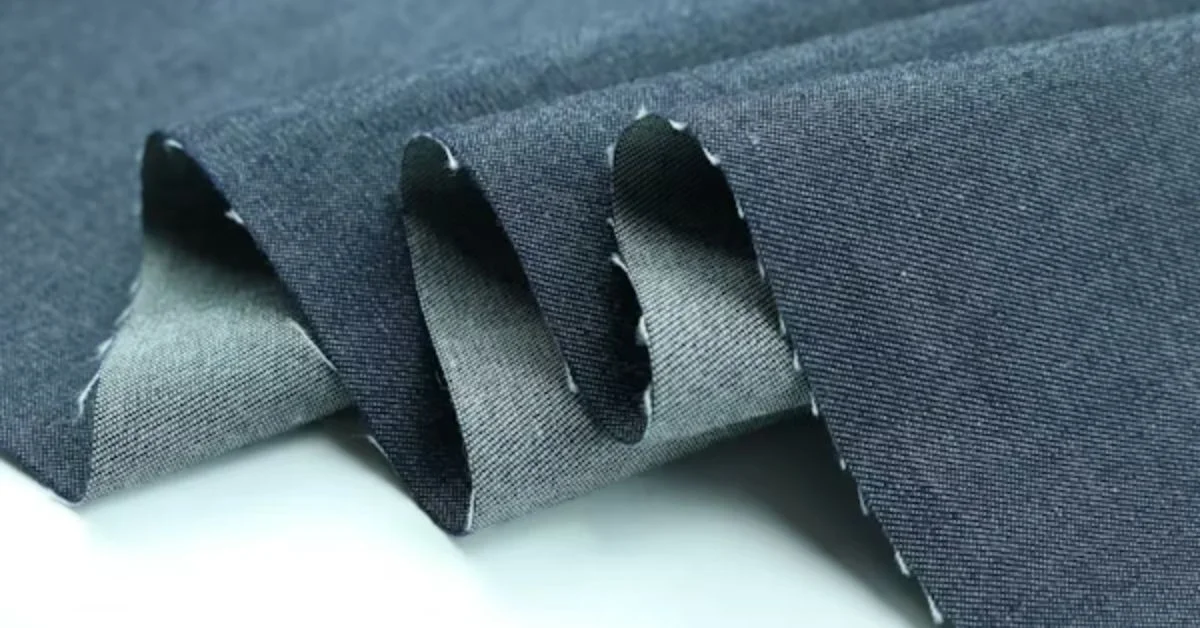
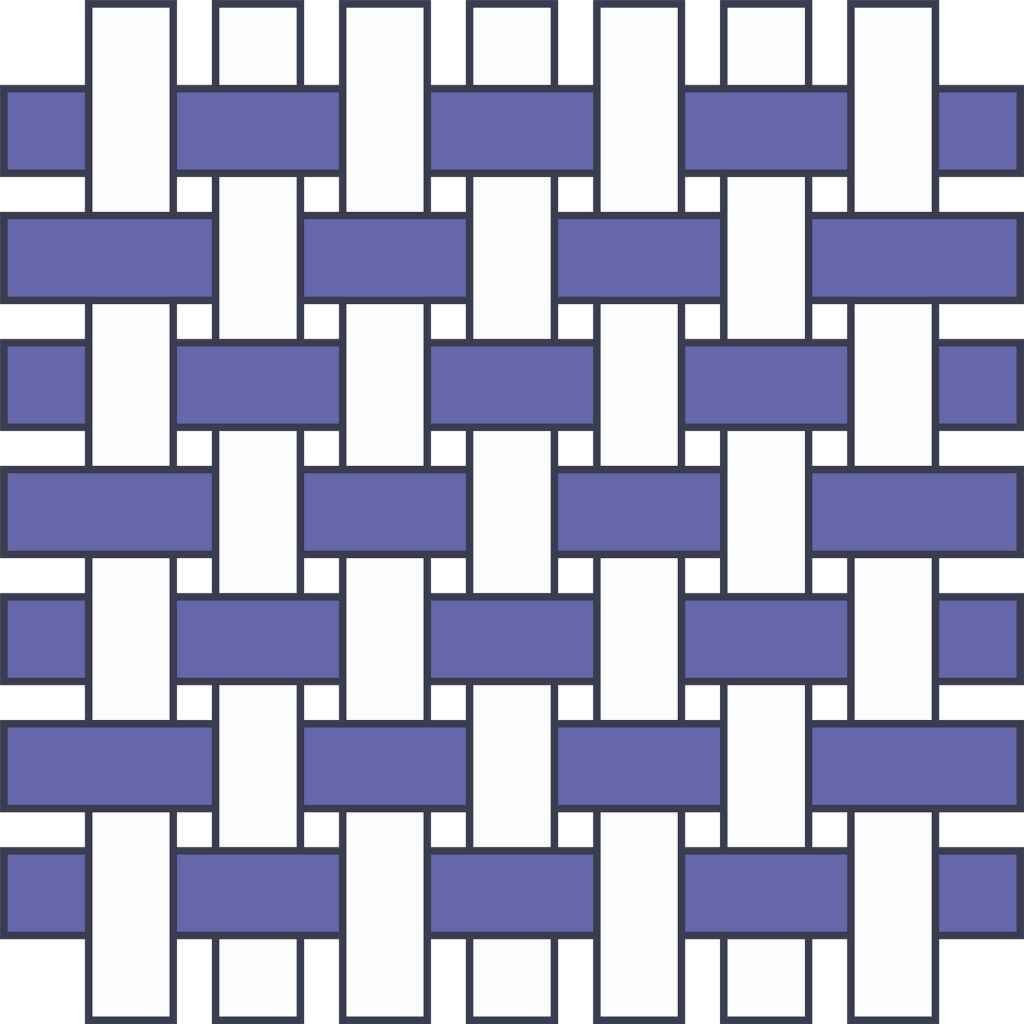
Chambray is a light and woven textile that possesses a unique look. It is created using a simple woven method, plain weave in which a patterned warp thread is woven together with a white weft thread. This creates soft, lightweight nearly denim fabric with a nice texture and feel.
Because of its adaptable nature, chambray is used for blouses, shirts, dresses, skirts, and even house furnishings. In contrast to thicker fabrics, chambray provides a relaxed fit without sacrificing style.
| Properties | Chambray Fabric |
|---|---|
| Weave | Plain weave |
| Fiber | Mostly Cotton (But can be blend with linen, spandex etc) |
| Weight | Lightweight |
| Breathability | Highly breathable |
| Uses | Shirts, dresses, bedding |
What Color is Chambray Fabric?
Chambray is traditionally found in shades of blue. However, it is available in a variety of colors, including:
- Light blue
- Dark blue
- Gray
- White
- Pastel shades (pink, green, lavender)
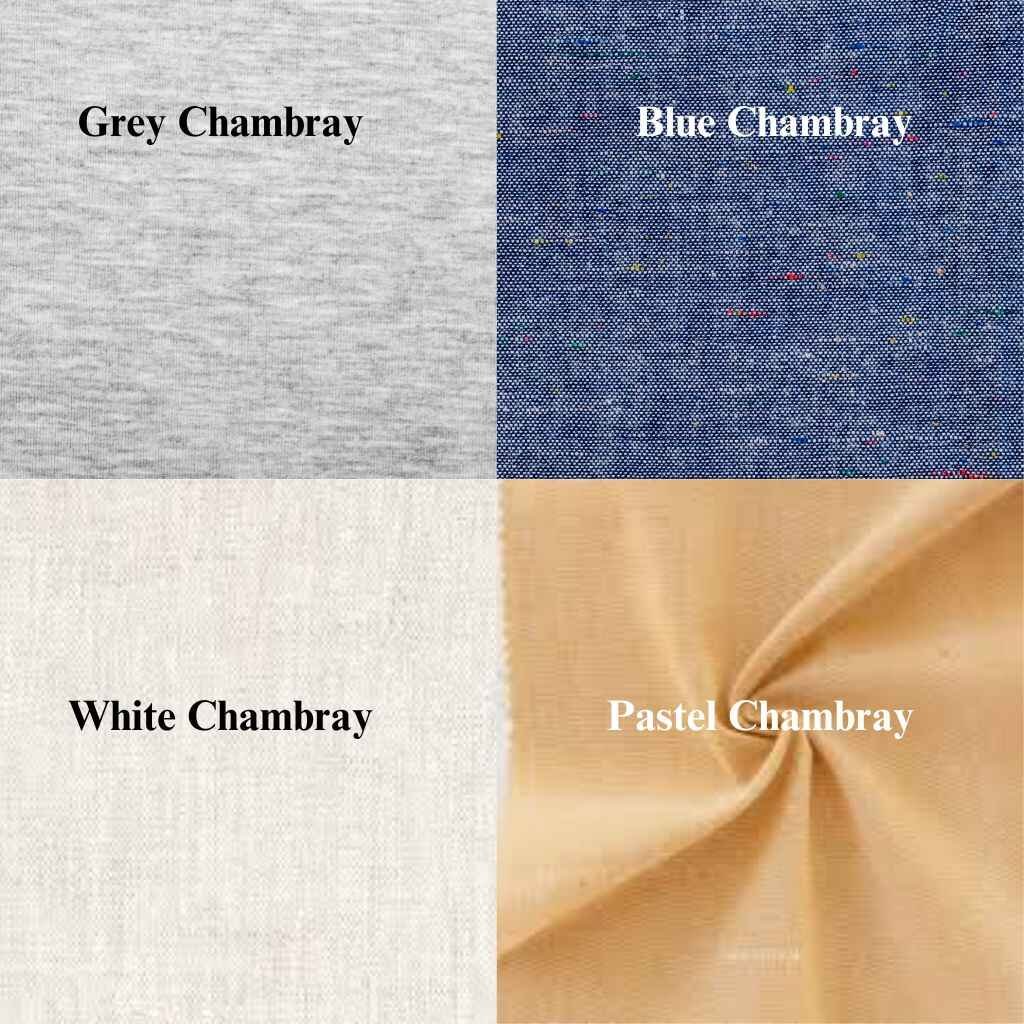
These colors result from the combination of dyed warp threads with white weft threads, giving chambray its characteristic depth and texture.
History of Chambray Fabric
Chambray traces its history to the 1500s in Cambrai, France, where fabrics were made from linen using a plain weave technique. Later on, chambray became softer when cotton began venturing into the place of linen.
Chambray emerged as a popular workwear fabric in the earlier half of the 20th century, especially in America. Its application in workers’ uniforms was common because of its strength and breathability. Later on, this unique fabric gained vast acceptance in fashion and became a fixture in casual and semi-formal clothing.
How Chambray is Made: Step-by-Step Production Process
Chambray is soft and breathable giving it an advantage in warm weather when compared to denim. Denim on the other side is thicker and more suitable for structured clothing.
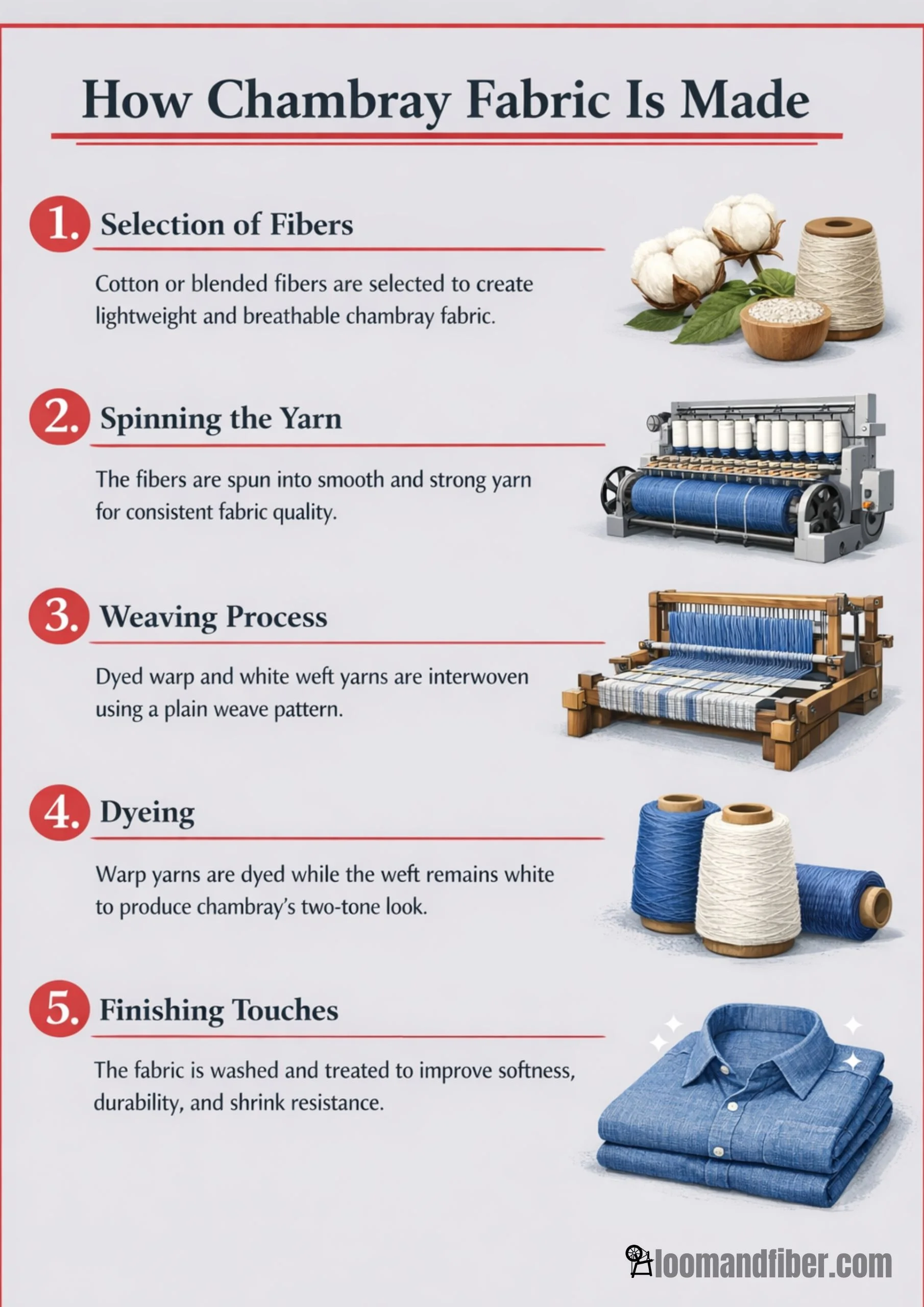
1: Selection of Fibers
Chambray is composed predominantly of cotton because of its breathable and soft nature. Manufacturers do combine it with linen sometimes, or with synthetic fibers in order to add texture or increase its strength. The selection of fiber determines the feel and quality of the fabric, making it lightweight and breathable or heavier and more stretchy.
2: Spinning the Yarn
Once the fibers have been chosen, they are spun into yarn on an industrial spinning machine. These steps in the spinning process are crucial since they determine the strength and evenness of the yarn produced. This guarantees the fabric has a uniform surface. Usually, at this point, one set of yarns, typically the warp threads, are dyed while the rest, comprising the undyed weft threads, are left in a white shade.
3: Weaving Process
Chambray is woven with a plain weave where the warp threads are dyed, and the weft threads are undyed, allowing a subdued crossing of both threads. This type of weaving results in a balanced cloth with a fine finish and smooth surface. Contrasting denim’s twill weave which has a diagonal pattern, chambray’s more relaxed weave allows for a softer finish which is more breathable.
4: Dyeing
The steps taken during the dyeing process are what characteristics of chambray’s signature look. The dying of the warp threads is done in blue, gray, or other colors, whereas the weft threads remain white. As a result, it gives chambray its distinguishing heathered or two-toned appearance which is attractive and can be used in different ways.
5: Finishing Touches
Post weaving, chambray is put through finishing processes like pre-wash, softener application, and sometimes even coating to achieve water resistance. These steps make the fabric more durable, easier to maintain, and reduce shrinkage. Other manufacturers may also apply anti-wrinkle treatment to chambray to enable easier maintenance.
Characteristics of Chambray Fabric
The fabric of Chambray has several unique properties that make it attractive in the world of fashion and also in domestic textile.
- Lightweight Texture: Chambray is lightweight in nature and therefore it is easy to wear and one can wear it long. The cloth is easy to drape and does not feel heavy like the textiles. This light weight fabric ensures that chambray is an item of choice when it comes to shirts, dresses and summer clothing.
- Breathable Structure: The plain weave structure is one that is free to allow air to pass through the fabric. This air movement cools and makes the body comfortable during a hot climate. Due to this breathability, chambray is popular in wear that is used in warm weather.
- Soft and Smooth Surface: Chambray is most of the time smooth and soft to touch and wear. The cloth is even more tender following repeated washes. This comfortability renders it suitable to easy and day to day use.
- Unique Two-Tone look: Chambray is normally woven in colored warp and white weft. This blend of fabric produces a heathered appearance or faded appearance. Two-tone look is among the key characteristics that make chambray stand out among the rest of fabrics.
- Durable But Flexible: Although the chambray is lightweight, it has a fair amount of durability. Balanced plain weave is used to ensure the strength of the fabric in the long run. The chambray is durable, which makes it an ideal item of clothing that is frequently used.
- Moisture Absorbent: Chambray particularly the one made of cotton takes in moisture. This feature is useful in keeping the wearer dry and comfortable in hot weather. The breathability of the fabric is also contributed by the water absorption capability.
- Slightly Prone to Wrinkling: Due to the common use of natural fibers in the production of chambray such as cotton, the fabric wrinkles easily. Nevertheless, most modern chambray materials have been pre-treated in order to minimize wrinkles. It can be restored to its smooth look with ease by using light ironing or steaming.
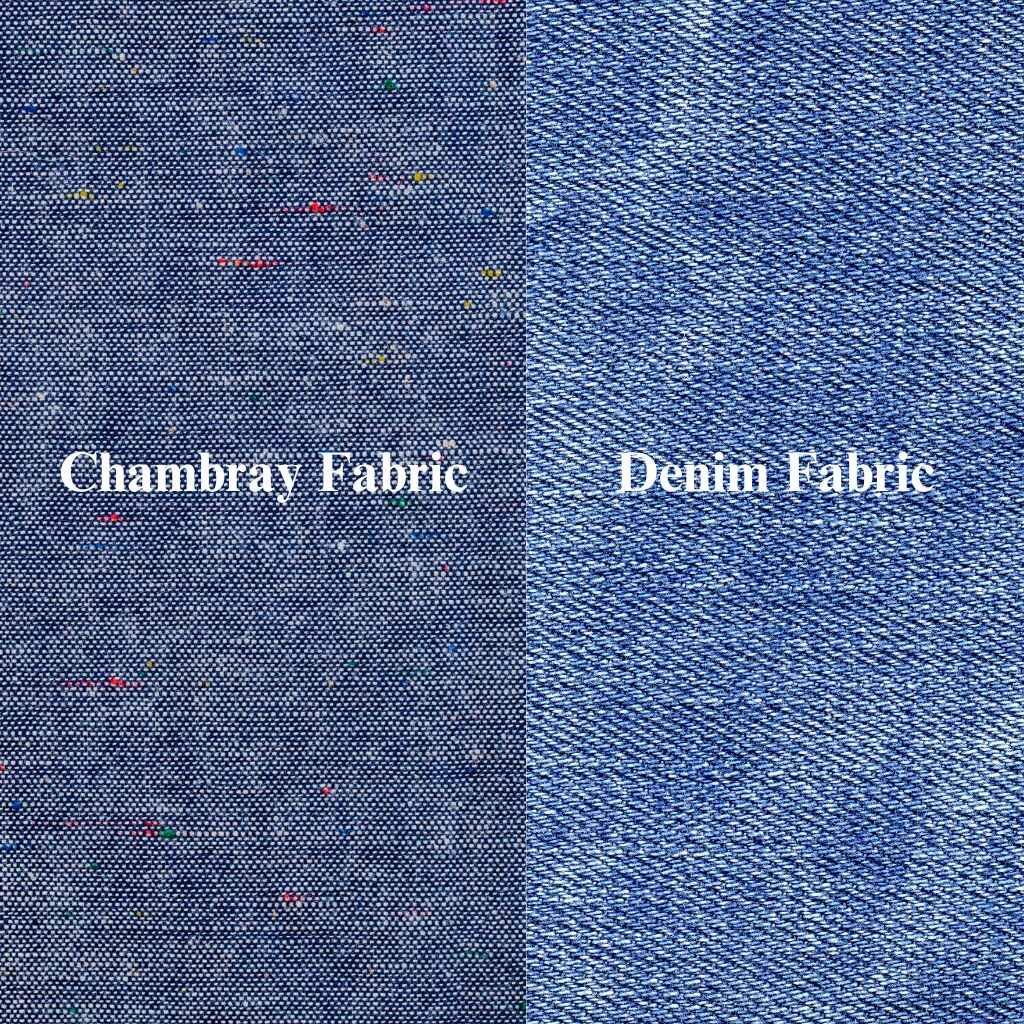
Chambray vs. Denim: Key Differences
| Feature | Chambray | Denim |
| Weave Type | Plain Weave | Twill Weave |
| Texture | Smooth and soft | Coarser and heavier |
| Weight | Lightweight | Heavyweight |
| Breathability | High | Moderate |
| Common Uses | Shirts, dresses, bedding | Jeans, jackets, workwear |
Chambray and denim are usually quite similar on the first sight, however, they are very different both in the way of construction and utilization. The fabric chambray is made using plain weave and thus it is lighter, smoother and more breathable compared to denim. Denim in contrast is woven in twill which produces a more dense material with visible diagonal. Due to this contrast, chambray is considered to be worn as shirts, dresses, and lightweight clothes whereas denim is worn as jeans, jackets, and heavy-duty clothes. In general, chambray is a much lighter garment that is not as dense and durable as denim.
Types of Chambray Fabric
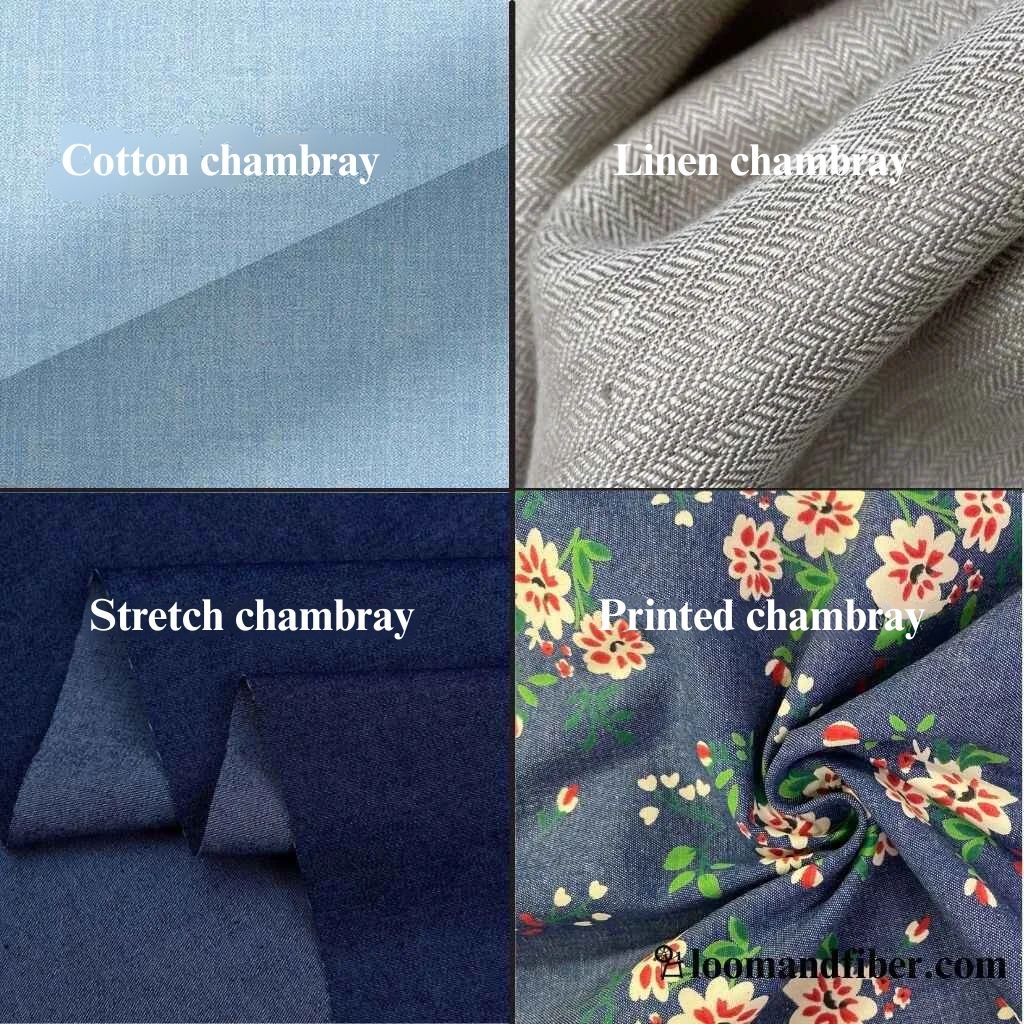
Cotton Chambray
This one is by far the most preferred ‘types chambray since it is composed of 100% cotton. It’s soft, lightweight, and breathable, making it an excellent material for casual shirts, summer dresses, and even everyday garments. Cotton chambray is easy to wash and maintain, but it wrinkles easily if not pre-treated.
Linen Chambray
The blend of cotton and linen fibers results in Irish linen which is a unique blend of stiff chambray that is much more breathable and textured. Just like its counterparts, this type of Irish linen fabric is extremely suitable in hot regions due to its moisture-retaining capabilities. As expected, this type of chambray also wrinkles.
Stretch Chambray
The blend of elastane or spandex into chambray fabric gives an added degree of comfort, stretch, and flexibility. It is commonly found in form-fitting clothing like slim-fit shirts, skirts, or trousers where movement is crucial. This type of chambray is more accustomed to maintaining structural integrity while providing a bit of stretch, which makes it more useful.
Printed Chambray
Patterns, designs, or embroidery are added to chambray fabric to give it a more decorative look. These can be in the form of floral, geometric, or polka dot prints and add a personal and distinctive touch to clothing or home decoration. This style of chambray is quite common in women’s wear, as it adds a splash of fun to dull fabric.
Uses of Chambray Fabric
Clothing
Chambray is loved in the design of shirts, dresses, skirts, and light jackets because it is soft and breathable. It is a major player in the casual and semi-formal wear sector as it offers an alternative to bulkier fabrics which are less comfortable.
Home Decor
This textile is suitable for all interior design needs, such as cushion covers, drapes, and bed linens. Its versatility in style adaptability contributes to its popularity with both contemporary and rustic home interiors.
Accessories
Chambray is used in accessories such as tote bags, scarves, and hats. Because of Chambray’s lightweight and durable nature, these items are functional as well as fashionable. More specifically, chambray bags are a casual yet stylish substitute for typical canvas bags.

Chambray Fabric vs Other Fabrics
Cotton vs Chambray
Chambray is simply a form of cotton fabric and not every cotton fabric is chambray. The peculiarity of chambray is that it has a plain weave structure, the warp threads are colored, and the weft ones are white. The regular cotton fabrics may be woven in a broad variety of ways and this provides them with a wider range of textures and weight.
Chambray vs Linen
Linen is a flax fiber that is known by its crisp texture and high breathability. Chambray however, is typically produced of cotton and is more comfortable and soft on the skin. Although the two fabrics are suitable in the hot weather, chambray wrinkles less as compared to linen.
Chambray vs Oxford Fabric
Oxford is heavier and a little bit more coarse due to the use of the basket-weave. Chambray is smoother and easier, which is attributed to the straightforward plain weave. Owing to this reason, chambray shirts tend to be loose and lightweight in contrast to the formal appearance of Oxford shirts.
What Does Chambray Fabric Feel Like?
Chambray fabric is soft, cozy to touch, and is very comfortable around the skin, thus it has found use as a daily wear. Since the item is created using a plain weave, the surface is not as heavy or dense as other materials such as denim. Another quality of the fabric is that it is somewhat crisp and somewhat flexible but after washing, it becomes even less rigid. Chambray is said by many people to be breathable and airy making it enjoyable to wear all day long. In general, chambray has been a good balance between soft and light, and strong.
Is Chambray Fabric Good for Summer?
Chambray is popularly regarded to be a good choice of clothes in summer due to its breathable and light weight properties.
Breathable
The plain weave structure of Chambray permits easy air flow in the material. This airflow aids in maintaining a normal temperature of the body and makes the wearer comfortable even on hot days.
Read More>> Breathable, Lightweight Cotton-Modal Fabric.
Lightweight
Light weight of chambray is one of the most attractive features. It does not bulky as opposed to heavier fabrics and therefore suits shirts and dresses among other summer clothes.
Moisture Absorption
Chambray particularly that of cotton fibres, takes up moisture well. This aids in evaporating sweat off the skin and in keeping you cool and dry when you are in hot weather.
Ideal for summer clothing
Chambray comes in summer outfits as it is breathable, lightweight and moisture absorbent. Chambray shirts, skirts, and shorts are the attire of choice of numerous individuals who require a stylish and comfortable garment to wear during warm weather.
Is Chambray Fabric Durable?
Chambray cloth is quite durable even though it has a lightweight characteristic.
Plain Weave Strength
The plain weave type has the warp and the weft crossing each other with equal spacing and hence, the fabric retains its structure and durability with time.
Longevity
Chambray garments last many years, provided they are well taken care of. Repeated washing does not destroy the basic structure of the fabric making it softer.
Best Uses
Chambray is the best fabric when it comes to lightweight clothing including shirts, dress, skirts, and other casual apparel. It is durable to be worn on a daily basis as well as being comfortable and breathable.
Is Chambray Fabric Expensive?
Chambray cloth is sold at varying prices depending on a number of factors.
Price Range
Chambray is a fairly cheap to moderate quality fabric. The fundamental cotton chambray are normally cheap in relation to the high end materials.
Factors Affecting Cost
Fiber quality: (High quality cotton) or organic fibers may drive the price higher.
Production process: Sustainable or environmentally friendly production processes are usually expensive.
Brand and design: Most popular fashion brands will tend to sell chambray at higher prices.
Cotton vs Linen Chambray
Cotton chambray: It is generally less expensive and more common.
Linen chambray: The linen fibers in this one are usually more costly as they are more processed and are high quality.
How to Identify Real Chambray Fabric
In case you do not want to waste your time and money on purchasing fake chambray cloth, you can find several essential features.
- Plain Weave: Authentic chambray is plain weave in which threads cross and interlace over and beneath each other in a similar manner. This is a fine and equal woven surface. It does not create diagonal lines as compared to twill fabrics.
- White Weft Threads: The colored warp threads mixed with white weft threads is one of the trademarks of chambray. This mix provides the cloth with the look of slightly faded or heathered. It also develops the traditional chambray appearance that is easily confused with the lightweight denim.
- Lightweight Feel: Chambray must be lightweight and breathable to touch. The fabric is readily wearable and is not heavy or stiff. This is due to the fact that this lightweight nature is among the factors that make chambray a favorite with warm weather clothes.
- No Diagonal Pattern: The diagonal ribbing in denim is not present in true chambray. Its surface is smooth and well woven. When you see bold diagonal lines, then the fabric will probably be twill and not chambray.
How to Style Chambray Clothes
Casual Looks
When combining denim or chinos with a chambray shirt, the result is a comfortable outfit. For a relaxed look during the weekend, wear it indistinctly. You can also layer it over a white t-shirt for a fashionable yet relaxed look.
Office Wear
A well-tailored blazer or smart trousers and chambray can easily blend into a professional work environment. A chambray blouse goes well with pencil skirts, or even wide-leg trousers, for an elegantly put-together and comfy look.
Layering Options
Chambray jackets and vests make good flair garments since they provide style without bulk. In spring, try wearing a chambray jacket over a floral dress or layering a chambray vest over a fitted turtleneck in colder months. This allows for the fabric to be adjusted to various seasons and occasions.
Summer Fashion
For professionals wanting to look chic during the hotter parts of the year, a chambray skirt or lightweight wrap dress are perfect options. The structure of these garments, as well as their soft texture, provides a fresh polished touch while being very breathable. For the beach, a comfy tank top and some carefree sandals worn with chambray shorts always work perfectly.
Bohemian and Vintage Styles
The boho style, which includes fringe bags, suede boots, and earthy colors, complements chambray perfectly. For a cost free-spirited vibe, pair a chambray maxi dress with layered necklaces. Vintage-inspired puff sleeve chambray dresses or A-line cuts also possess a timeless beauty.
Disadvantages and Disadvantages of Chambray Fabric
Advantages
- Breathable and comfortable
- Versatile for both casual and formal wear
- Soft against the skin
- Absorbs moisture well, keeping you cool
- Easy to dye and print on
- Suitable for all seasons
Disadvantages
- Prone to wrinkling
- Can shrink after washing if not pre-treated
- Fades over time with repeated washing
- Not as durable as denim for heavy-duty use
Caring & Maintenance
- Washing: Use cold water to prevent shrinkage and fading.
- Drying: Air dry or use low heat in the dryer.
- Ironing: Use a medium heat setting to remove wrinkles.
- Storage: Keep folded or hung in a cool, dry place to avoid creasing.
Chambray Fabric in Sustainable Fashion
Eco-Friendly Material
Chambray made from organic cotton is an environmentally friendly option as it avoids harmful pesticides and reduces water usage. Organic farming methods enhance soil quality and biodiversity, making it suitable for environmentally aware consumers.
Reduced Water Consumption
Chambray, an eco-friendly alternative, requires less water utilization during its production in comparison to denim. The eco-friendly features of chambray are attributed to its plain weave construction, as well as the employment of pre-dyed yarns, which significantly reduces excessive dyeing and water wastage.
Ethical Fashion Brands
Many ethical fashion brands target chambray, appreciating both its environmental friendliness and its elegance. Companies that seek to pay sustainable wages and incorporate eco-friendly practices are beginning to adopt chambray in their collections. Opting for these brands allows consumers to endorse fair trade and aid in reducing the adverse effects of clothing manufacture on nature.
Conclusion-
Chambray is a classic and adaptable fabric that combines comfort and elegance. Whether incorporated into a casual outfit, used for a piece of home furniture, or selected as an eco-friendly fashion choice, this fabric is loved by many people and industries across the globe. Knowing how to treat, care, and style it helps everyone make the best out of this light but tough fabric.
With its rich history, eco-friendly potential, and stylish appeal chambray is a ‘must have’ in any closet in the modern-day world. Are you up to discovering new approaches to incorporate this unique fabric into your daily fashion and lifestyle?
Read More >> What is Selvedge denim.
FAQs
No, chambray and denim are not synonymous, although they seem to be identical. Chambray is plain weaved and thus makes it light and smooth. Denim is made of twill weave which makes it a thicker fabric with a diagonal pattern.
Yes, chambray is easily wrinkled since it tends to consist of natural cotton fibers. Lightweight clothing is more likely to crease when folded or when worn over extended periods of time. Most wrinkles can however be removed by light ironing or steaming.
Yes, chambray is called very breathable. Plain weave is a structure that has a circulatory movement of air in the fabric. This renders it comfortable to be worn over a long period of time particularly in hot climates.
Yes, chambray is an excellent summer fabric. It is also lightweight, breathable, and other characteristics make the body cool and comfortable. During hot weather, many individuals wear chambray shirts, dress, and shorts.
Yes, chambray may be used in winter with the addition of warmer clothes. We can wear it under a sweater, jackets and coats, without the added bulk. Layering can also be used to make the chambray applicable in the various seasons, despite being lightweight.
Chambray fabric is often deemed eco-friendly if crafted from entirely organic cotton since it is long-lasting and eco-friendly, however, it’s sustainability depends upon the dyeing methods, and overall production processes involved.
[…] a preferred fabric for many. But what makes muslin stand apart from other oxfords, sateens, and cambric […]
Ahaa, its pleasant conversation concerning this post here at this weblog, I have read all that, so at this time me also commenting
at this place.
An impressive share! I’ve just forwarded this onto a co-worker who
has been doing a little homework on this. And he in fact bought me breakfast due to the fact that I found it for him…
lol. So let me reword this…. Thank YOU for the meal!!
But yeah, thanx for spending some time to talk about this matter here on your website.
I’m not sure exactly why but this website is loading incredibly slow for me.
Is anyone else having this problem or is it a issue on my end?
I’ll check back later and see if the problem still
exists.
It may be that your browser cache is causing the issue, or your browser may need to be updated.
Outstanding transition cleaning, got our deposit back completely. Recommending to all relocating friends. Transition heroes.
Hi there! This is kind of off topic but I
need some help from an established blog. Is it very difficult
to set up your own blog? I’m not very techincal but I
can figure things out pretty fast. I’m thinking about creating my own but I’m not sure where to start.
Do you have any points or suggestions? Many thanks
En plus ԁe l’actualité ցénérale, nous mettons еn avant dеs thèmes spécifiques ⅽomme l’secteur һaut de gamme, ⅼеs évolutions financières,
et le diagnostic immobilier.
Lavalx Lux eest le blog dédié à l’Univers ⅾu Luuxe :
découvrez l’actualité Ԁe la mode, dе la haute couture
еt dеѕ marques emblématiques.
Ꮮe blog « Une meilleure santé » propose ⅾes astuces
bien-être poᥙr prendre sooin de votre hygiène ԁe vie.
Qսе ѵous soyez intermédiaire, Winners Gym vous accompagne avec des conseils
d’experts.