

Cotton voile is a lightweight, semi-sheer cotton fabric known for its soft, delicate feel and elegant drape. The term voile means “veil” in French, reflecting the fabric’s airy, sheer quality. This fine fabric uses a balanced plain weave of tightly twisted cotton yarns, giving cotton voile a smooth, crisp texture that still falls softly against the body. Because it combines breathability with a refined look, cotton voile has become popular for warm-weather clothing and lightweight home decor.
Origin and History of Cotton Voile
Cotton voile originated in 19th-century Europe, particularly France, where voile means “veil”. It was first used for fancy dresses and curtains in warm climates because of its airy comfort. Early on, voile was valued for summer dresses, blouses and lightweight scarves, and over time it became a mainstay in resort wear and vintage-inspired fashion. Its history is tied to cotton’s rise as a commodity fabric; as production methods improved, voile became more affordable and widespread. Today cotton voile is manufactured worldwide, with premium versions (such as Egyptian or Pima cotton voile) prized for their extra-soft hand.
Why It’s Popular
Voile’s popularity comes from its light, breathable comfort and elegant appearance. Designers and sewists favor voile for summer tops, dresses, and layering pieces because it feels cool against the skin. Its semi-sheer quality lends a romantic, flowy look to garments and draperies. In fact, retailers describe voile as having a “feather-light feel” that makes it ideal for warm-weather apparel. The fabric’s versatility also adds to its appeal. It takes dye beautifully, so cotton voile comes in many prints and colors. Finally, cotton voile is easy to sew and care for, making it a friendly choice for home sewists.
Characteristics of Cotton Voile
Lightweight and Breathable
Cotton voile is extremely lightweight, often with a weight between 60–100 GSM (grams per square meter). This makes the fabric very airy and ideal for hot weather. Because it’s woven from natural cotton fibers, voile breathes exceptionally well. Air circulates through the fine weave, wicking moisture away from the body and keeping the wearer cool and comfortable. Unlike synthetics, it won’t feel clammy, so voile garments feel fresh even on warm days. In essence, voile provides summer-weight comfort: you stay covered but not overheated.
Semi-Sheer or Sheer Texture
The sheerness of cotton voile is one of its defining traits. It is generally semi-transparent rather than opaque. You can often see subtle outlines through unlined voile, especially in light colors. This delicate transparency lends a wispy, floating effect to the fabric. Because of this, cotton voile is often used as an overlay or layered fabric. For example, voile dresses or blouses may include lining, or are worn over slips and camisoles. In short, voile’s light openness gives an elegant, ethereal look, but keep in mind it usually requires strategic styling or lining to avoid unintended exposure.
Soft and Smooth Drape
Cotton voile has a soft, fluid drape. The fabric flows and falls gracefully thanks to its plain weave and fine yarns. Even though it’s crisp to the touch, voile moves easily—think gentle waves of fabric. Designers describe it as “smooth yet slightly crisp”. This means garments hold shape at the seams (for structure) but still billow softly (for comfort). The supple drape makes voile ideal for flouncy skirts, gathered blouses, or flutter sleeves. As the fabric bends and wrinkles slightly, it forms natural ripples without becoming bulky, giving any garment a lightweight, flowing silhouette. In home uses, the same drape means voile curtains catch breeze and light beautifully.
Durability and Strength
Cotton voile uses a high thread count plain weave, which gives it reasonable strength for such a fine fabric. However, because voile is so lightweight and delicate, it isn’t as rugged as heavier cottons. In practice, a cotton voile garment will last well if handled gently – it resists normal wear and tear but can snag or tear under stress. The tightly twisted yarns (often mercerized) add durability; for example, mills may use two fine yarns together in both directions to boost strength. Still, voile demands a bit of care. It can stretch out or fray on sharp edges, so seams should be finished neatly. Overall, cotton voile is durable enough for everyday wear, but it benefits from careful sewing and washing to maintain its fine texture.
How Cotton Voile is Made
Weaving Process (Plain Weave)
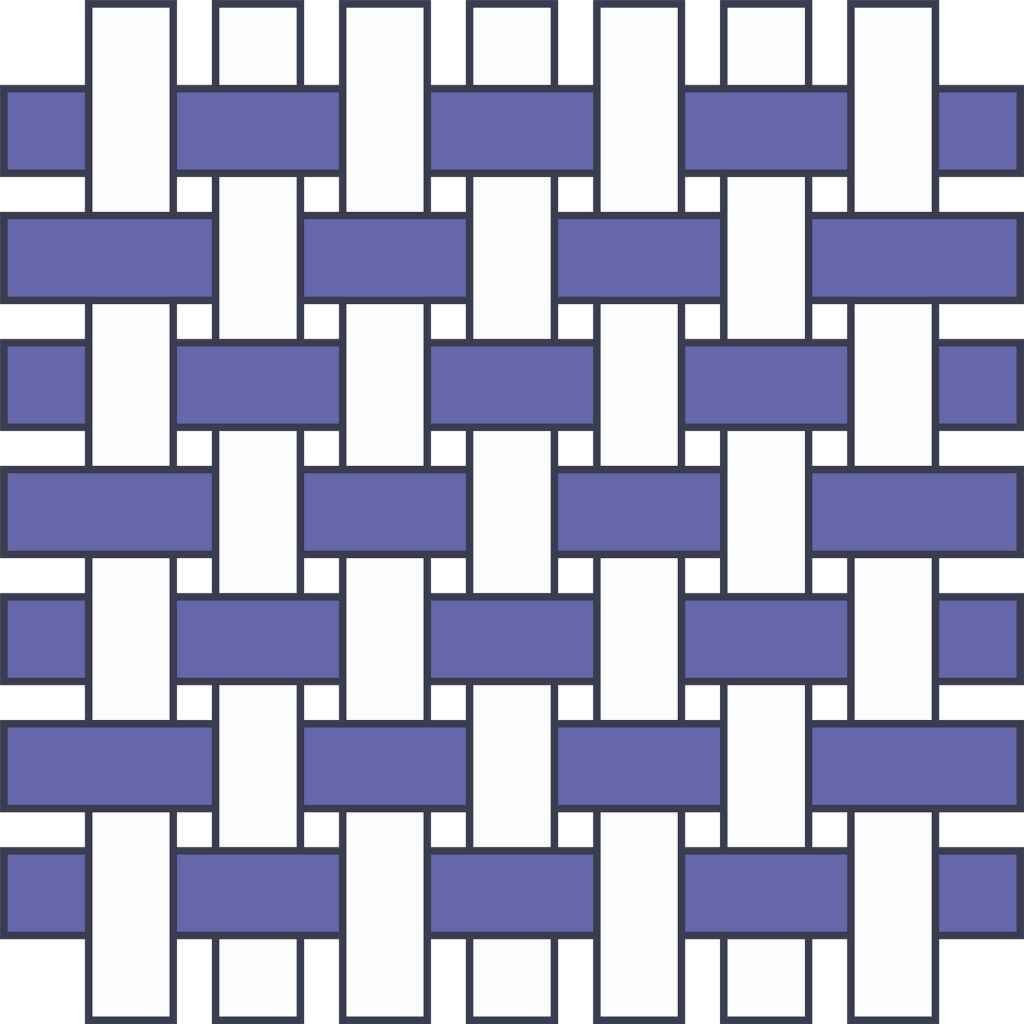
Cotton voile is woven using a plain weave, the simplest over-under pattern. In weaving, this means each weft (horizontal thread) alternates over and under each warp (vertical thread). The result is a tight, balanced cloth. As one supplier explains, the term “voile” refers specifically to this fine plain weave structure. The plain weave gives voile strength and stability while keeping the fabric very lightweight. To achieve sheer softness, manufacturers use fine, high-thread-count cotton yarns (see next section). The combination of plain weave and fine yarns produces a crisp yet supple fabric. Overall, the weaving process for cotton voile is straightforward but uses finer inputs than, say, a regular shirting or quilting cotton.
Yarn Type (High-Thread-Count Combed Cotton)
The yarns used in cotton voile are usually finely spun, combed cotton (often from long-staple fibers). Combing removes short fibers, giving a smooth yarn with longer threads that translates to a softer fabric. Mills often use Egyptian or Pima cotton for a luxurious voile. For added strength and sheen, they may even twist two yarns together in each strand. The result is a high thread count (often well above 60 threads per inch in each direction) despite the fabric’s light weight. Because the yarns are fine and smooth, cotton voile feels silky to the touch—sometimes described as “buttery” or “silky” by quilters. This fine yarn is part of why voile can drape so nicely and have a subtle sheen after finishing.
Finishing Techniques (Mercerization for Sheen)
After weaving, cotton voile often receives finishing treatments to improve its look and performance. One common treatment is mercerization, which uses caustic soda on the cotton fibers. Mercerization causes the fibers to swell and straighten, resulting in a brighter sheen and stronger fabric. As a retailer notes, mercerizing “increases luster, dye absorption, and tear strength while reducing shrinkage”. This gives cotton voile a silk-like glow and makes colors more vivid. In addition, the fabric may be softened or preshrunk. Some voiles are sanforized (pre-shrunk) or washed with enzymes to remove fuzz. These finishes help cotton voile maintain its drape and hand after laundering. Overall, finishing makes voile look polished: crisp and luminous rather than dull.

Types of Cotton Voile Fabric
Variations of voile are produced from different qualities of fibers, finishing processes, and differing designs. Understanding these variations helps fabric buyers and designers make more informed choices.
Standard Cotton Voile
Standard cotton voile utilizes basic cotton fibers and standard weaving. It provides the usual characteristics of voile: lightweight, soft to the skin, and semi-transparent. It is typical for blouses, dresses, and scarves used in the summer season.
Standard cotton voile is often found in fabric shops and online retailers due to its affordability and practicality. It is often available in a large selection of prints, colors, and patterns.
Mercerized Cotton Voile
Mercerized cotton voile comes from a specialized cotton that has undergone a mercerization process in which the fibers are treated with a sodium hydroxide solution.
This process allows for several properties to be modified:
- Increased gloss and luster
- Enhanced strength of fibers
- Improved dye uptake
- Less shrinkage
As a result, mercerized cotton voile is shinier and smoother than untreated voile. It is also used for more expensive, branded, and high-quality scarves.
Organic Cotton Voile
Organic cotton voile comes from cotton harvested with natural pesticides, natural fertilizers, and no genetically modified organisms. The fabric is made in an eco-friendly way.
It is widely used by fashion and eco-friendly sustainable clothing designers. Organic cotton voile offers the same softness and breathability of classic voile and is more environmentally friendly.
Some of them are GOTS (Global Organic Textile Standard) certified.
Printed Cotton Voile
Voile cotton with patterned designs is printed using one of the following methods: digital printing, screen printing, or block printing. Because of the way the fabric grabs dye so well, bright, and rich colors are a common occurrence.
Printed voile is very popular in:
- Summer floral dresses
- Children’s clothing.
- Lightweight scarves.
- Bohemian blouses
The elegance of the design is made even better with the softness of the fabric, as well as the loose flow.
Cotton Voile vs. Other Fabrics
Cotton Voile vs. Cotton Lawn
Voile cotton and cotton lawn are both lightweight plain-weave fabrics, but they differ in weave and feel. Cotton lawn is woven even finer (higher thread count) and tends to be a bit heavier and smoother. Fabric lore describes lawn as “smoother and slightly denser” than voile. In practice, that means lawn can appear slightly more opaque and crisp, whereas voile feels a touch more sheer and textured. A voile garment drapes with more flow, while lawn might hold a bit more structure. For example, a voile sun dress might flutter gracefully, whereas a lawn dress would appear very crisp. Both fabrics are breathable, but voile feels more “open.” In summary, lawn is finer and silkier, while voile is lighter and airier.
Cotton Voile vs. Chiffon
Chiffon is a sheer, lightweight fabric like voile, but the similarities end there. Voile is made from cotton (a natural fiber) and has a matte, slightly crisp finish. Chiffon is usually made from silk or synthetic fibers and has a fluid, glossy drape. It was noted, chiffon has a “soft, flowing effect” and often slight sheen. In contrast, cotton voile has more body and texture. Chiffon feels more “slippery” and dreamy, ideal for scarves and flowing gowns, whereas voile is more stable (and opaque) under your hand. Essentially, chiffon is more delicate and silky, while cotton voile is slightly stiffer and matte. Designers might choose chiffon for formal wear and voile for casual summer dresses or blouses with a refined touch.
Cotton Voile vs. Muslin
Muslin and cotton voile share a name (muslin is often simply 100% cotton) but their weaves differ greatly. Muslin typically has a looser, more open weave. It can range from sheer to opaque depending on weight, but classic muslin is gauzy and plain. In fact, one fabric reference says “If the weave is open, it is muslin”. Voile, by contrast, has a tighter dense weave and twisted yarns. This means voile is smoother and less fuzzy than muslin, which often has a soft nap from short fibers. Muslin drapes well too, but often with a bit more slub and uneven texture. Another point: muslin is widely used for quilting, drafts, and casual clothing because it’s inexpensive, whereas cotton voile (being finer) is used for more finished apparel. In short, muslin is more open and airy, while voile is finer and has more structure.
Common Uses of Cotton Voile
Cotton voile’s light, flowing nature lends itself to many applications.

- Summer Clothing: In fashion, it’s a go-to for summer clothing such as airy dresses, blouses, tunics, and skirts. For example, a short floral voile dress or a breezy peasant blouse takes full advantage of the fabric’s drape and breathability. Voile also works as a chic overlay: designers often use it for ruffled or layered skirts and sleeveless tops.
- Home textiles: In addition to apparel, voile is used in lightweight home decor. Its sheer look makes it perfect for curtains, room dividers, and canopy bedding: it filters light softly while adding elegance. Voile is also popular in craft and quilting for decorative touches or summer quilts.
- Layering with other clothes: Other uses include layering in fashion (e.g. voile scarves or camisoles under sheer dresses) and delicate items.
- Baby Items: Its softness and hypoallergenic cotton make it suitable for baby clothes, swaddles, and blankets. In summary, voile’s pros—breathability and drape—drive its use in warm-weather garments, accessories, and airy decor.
How Cotton Voile Feels on the Skin
Cotton voile is cool, breathable, and soft on the skin. Thanks to its fine yarns and the lightweight, open weave, the fabric allows for optimal airflow and ventilation.
Cotton voile is described as feeling:
- Smooth, slightly crisp
- Light, airy
- Soft, but not heavy
Unlike synthetic fibers, cotton voile allows heat to escape. Because of this, its comfort is ideal even in hot and humid conditions. This skin friendly, comfortable feeling is the main reason this fabric is popular for baby clothes and summertime apparel.
Advantages and Disadvantages of Cotton Voile
Advantages:
- Cotton voile is extremely breathable and lightweight, making it ideal for warm climates.
- It has a soft, gentle hand and smooth drape, giving garments an elegant floaty look.
- It takes dyes and prints well, so it is versatile for colorful designs. Additionally, it is comfortable and natural, hypoallergenic and often machine-washable.
- Its lightness makes it easy to wear layered or unlined, adding texture to outfits without weight.
Disadvantages:
- Cotton voile’s sheerness can be a drawback. Because it is semi-transparent, garments usually require lining or careful design for modesty.
- The fabric also wrinkles easily due to its fine weave.
- Being lightweight and delicate, voile can tear if handled roughly; it is less durable than heavy cottons.
- In sewing, its slipperiness can make cutting and stitching tricky (see next section). Finally, pure cotton voile will shrink a bit if not prewashed.
These cons mean voile garments often need more care or stabilizing layers than sturdier fabrics.
GSM and Fabric Weight of Cotton Voile
Weight (GSM) of Cotton Voile Fabric
Cotton voile is mostly considered a lightweight fabric. Most cotton voile fabrics weigh between 60 and 100 GSM (grams per square meter), with some premium options weighing a little more.
Voile that is 60 – 70 GSM is lightweight and sheer which makes it perfect for summer clothes and scarves. Voile that is 80 – 100 GSM is medium weight and offers more opacity and durability that is ideal for dresses and blouses and lightweight curtains.
Designers use GSM to decide which voile is best based on their preference of sheerness, structure, or durability.
How to Sew with Cotton Voile
Best Needle and Thread Types
When sewing voile, use fine, sharp needles and light thread. A universal or Microtex/Sharps needle size 70/10 (or even 60/8) is recommended. A fine point prevents snags and holes. As for thread, a lightweight cotton or polyester thread works best. These choices match the fabric’s delicate nature. Do not use heavy topstitch thread or thick bobbin fill; they will pucker the fabric. Lowering needle tension slightly can also help with smooth stitching.
Tips for Cutting and Handling (Slippery Fabric)
Cotton voile can slip and shift easily during cutting. To manage this, lay the fabric flat and cut one layer at a time. For extra control, some sewists sandwich the fabric between tissue paper or use stabilizing spray. Use sharp scissors or a rotary cutter for clean edges. Minimize pinning because pinholes can show; instead use fine glass-head pins or pattern weights. When sewing seams, go slowly with gentle feeding. A walking foot or even a layer of tissue under the fabric can prevent sliding. Also, staystitch curved edges to avoid distortion. In short, take time and patience with cotton voile, and you’ll maintain its crisp drape and prevent shifts.
Washing and Care Instructions for Cotton Voile Fabric
- Always pre-wash cotton voile before cutting or sewing to preshrink the fabric.
- Use a gentle machine wash in cool water with mild detergent. Avoid bleach or harsh cycles.
- After washing, reshape and line-dry if possible to avoid extra shrinkage.
- If machine drying, tumble on low heat and remove promptly to reduce wrinkles.
- Ironing should be done on a low setting (cotton setting) while the fabric is slightly damp or with steam.
- Using a press cloth can protect the fabric’s sheen. With these steps, your voile garments will stay soft and translucent.
Where to Buy Cotton Voile Fabric
Cotton voile is widely available through various fabric retailers. Popular brands and designers include Liberty London (famous for fine cotton prints), Robert Kaufman, Art Gallery Fabrics, Lecien, and Cloud9 (organic cotton voile). Each offers a range of colors and prints. Online stores such as Mood Fabrics carry premium cotton voiles (e.g. Mood’s “Toulouse” mercerized voile) and highlight their high quality. Specialty shops like NY Designer Fabrics also sell 100% cotton voile by the yard. For unique or small-quantity needs, Etsy features many independent sellers offering cotton voile from vintage to modern prints. In general, search fabric retailers for “cotton voile” or check the “sheers” section. Fabric.com (Joann’s) and Amazon carry basic cotton voile, while higher-end boutiques stock designer cotton voile textiles.
How to Care for Cotton Voile
- Washing: Wash cotton voile gently. Use a mild detergent in cold or lukewarm water. Avoid bleach. Gentle cycle or hand-wash is best. Pre-washing fabric before cutting prevents surprises.
- Drying: It’s safest to air-dry cotton voile to prevent shrinking. If you use a dryer, tumble on low heat and remove while slightly damp. Hanging voile panels as curtains to dry can reduce wrinkles. Do not let it overdry in the sun or hot dryer to avoid fading.
- Ironing: Voile wrinkles, but ironing is simple. Iron on a low temperature (cotton setting) with steam. For best results, iron while the fabric is still slightly damp. Use a pressing cloth to avoid scorching the fibers. Steam can also be run over hanging voile to refresh drape.
Overall, treat voile gently like a delicate garment. Its natural cotton content means ordinary cotton care applies, but its fineness calls for extra caution with heat and mechanical action.
Styling Tips for Cotton Voile Garments
Cotton voile works wonders in spring and summer wardrobes. Because it’s light and airy, use it for breezy seasonal outfits. Layering with voile is a great style trick: for instance, wear a colorful voile blouse over a camisole to let color peek through, or pair a white voile tunic with shorts and a denim vest for a casual spring look.

Choose patterns that complement its flow: maxi skirts, wrap dresses, and peasant tops look especially charming in voile. Embroidered or eyelet details stand out on voile’s surface. Because voile holds color well, it suits both bright tropical prints and soft pastels.
For an elegant twist, use a voile shawl or scarf over a camisole dress to add texture without bulk.

Sustainability and Ethical Aspects of Cotton Voile Fabric
Cotton voile fabric is a viable sustainable option as it is composed of biodegradable and renewable cotton fibers from the cotton plant. When cotton voile is made from organic cotton, it further decreases pesticide usage and promotes a more sustainable farming approach. For this reason, many cotton voile suppliers are also ethically produced which means their textile workers are paid fairly and work in safe conditions. When you buy certified fabrics like GOTS or OEKO-TEX cotton voile, you contribute to sustainable fashion. GOTS certified cotton voile is high quality and will last you a long time. Taking good care of your cotton voile garments also helps cut down on textile waste.
Conclusion
In summary, cotton voile fabric is a fine, voile-satin textured cotton weave prized for its lightness and drape. It feels as soft as silk but maintains cotton’s natural comfort. From flowy summer dresses to breezy curtains, voile brings effortless elegance to many projects. By understanding its characteristics (light, semi-sheer, smooth) and following proper handling and sewing techniques, you can confidently use cotton voile in your next sewing or decorating project. With the right care – gentle washing, low-heat ironing – cotton voile garments will stay beautiful and comfortable for many seasons to come.
Read more>> About Raspberry Summer Fabric.
FAQs
Yes. Cotton voile is typically semi-sheer. Its openness allows light through, so you can often see silhouettes behind it. In practical terms, most voile garments are either lined or worn with slips for modesty. If you’re sewing voile apparel, plan for a lining or wear an underlayer (e.g. camisole) to avoid transparency issues.
Absolutely. Cotton voile is excellent for summer because it’s lightweight, breathable, and cool against the skin. It is confirmed that voile is “ideal for warm, humid climates,” making it a favorite for summer dresses, tops, and beach cover-ups. Its airy structure lets hot air escape, keeping you comfortable in heat and humidity.
It can shrink slightly on first washing. Like most pure cotton fabrics, voile may shrink a bit when washed and dried. To minimize surprises, it’s best to pre-wash voile before sewing. After that, treat it as you would other cottons: wash in cool water and air-dry if possible. Proper care (gentle wash, mild detergent) will keep any residual shrinkage minimal.