
Introduction-
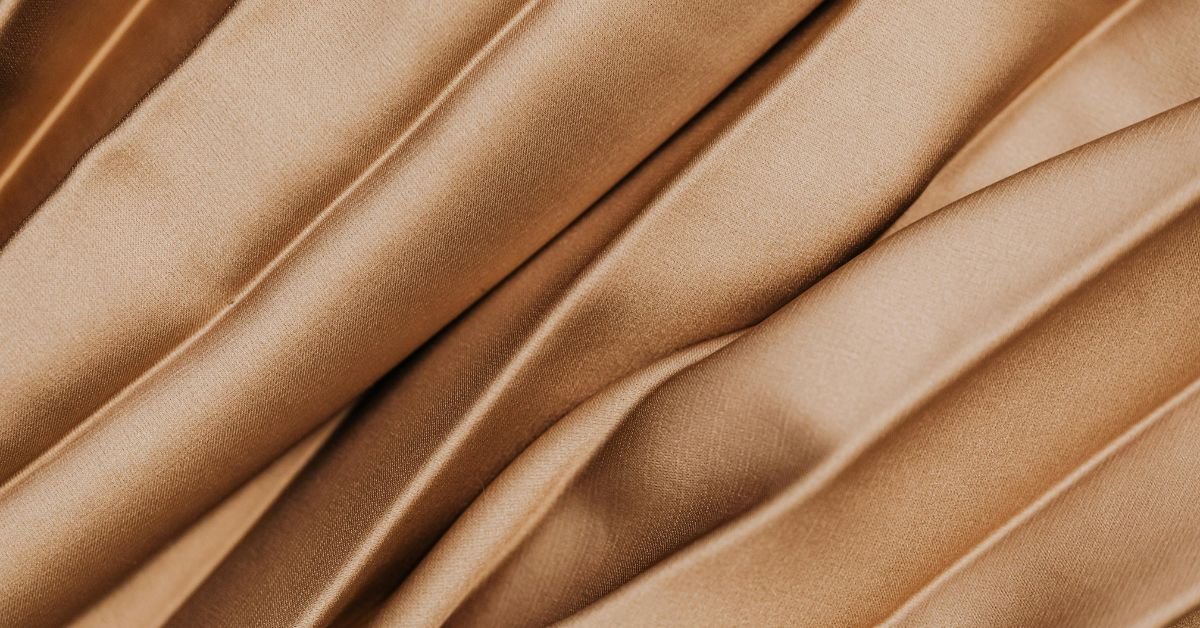
Silk satin has been celebrated for its buttery softness and dazzling glimmer. The shiny satin appears to raise the quality of any garment or home textile. It is no surprise that satin silk has become a go to fabric for evening gowns, lingerie, scarfs, and fine bed linens. To to elegance and comfort levels, people tend to gravitate to satin silk for the smooth touch, the tender patting of the skin, and the fabric’s ability to elevate the overall appearance of any outfit through its free-flowing draping. The satin silk’s lovely rich fabric coupled with its shiny high end finish certainly brings a touch of modern elegance to any outfit. It is no wonder that satin silk is adored by both fashionistas and interior designers.
What Is Satin Silk Fabric?
Satin is a weaving pattern and silk is a type of natural fiber. When weaving silk into a satin pattern, the result is a fabric with more fluid and luxurious qualities than the average satin. With the satin weave this unique silk has the richest fluidity and a refined elegance, and this is what makes it the best choice as a fabric for the most inter-elegant drapery, whether that be in fashion, interior design, arts or crafts. This also helps delineate why this type of satin silk has a different feel than satin with other silk types or with synthetic weaving.
Is Satin the Same as Silk?
There is a common misconception around satin and silk, but these materials are distinct. Silk is a natural fiber, while satin is a type of weave. While satin Silk is luxurious and natural, polyester satin imitates the look without the softness and breathability, but it is silk, satin polyester, or rayon.
Buyers often think satin is equally luxurious and premium. In reality, both the fiber and weave matter. For a rich texture, natural sheen, and skin-friendly are qualities the consumer desires, silk satin is the premium option.
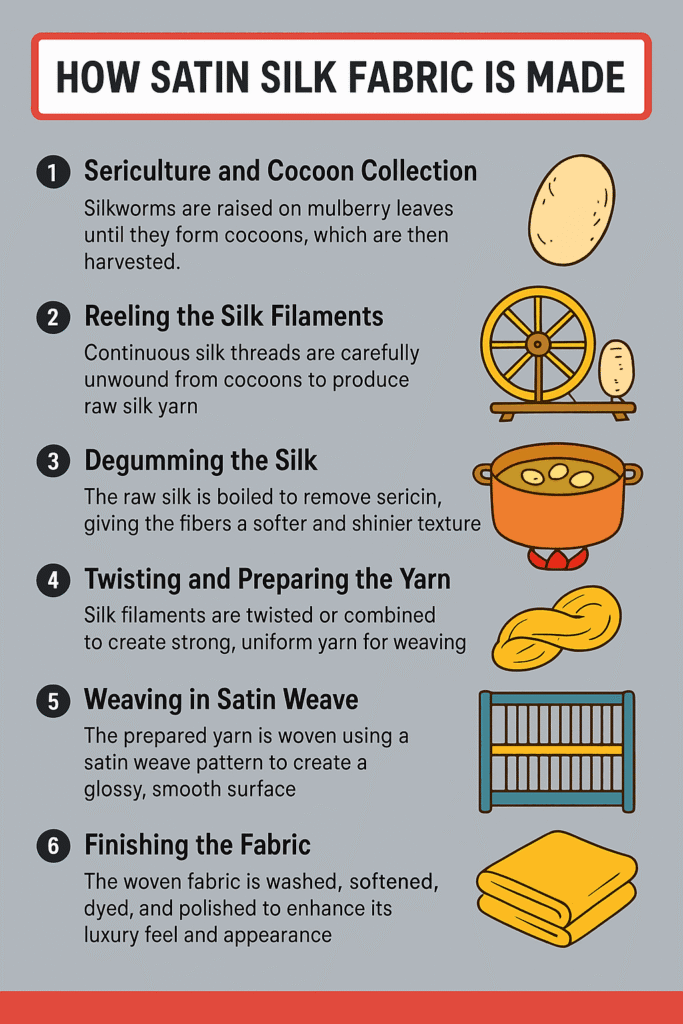
How Satin Silk Fabric Is Made
Silk Fibers Production
The Bombyx mori moth species cocoon silk fibers, which farmers carefully collect, then unravel into long threads. It is a highly tedious process, but it is necessary for the silk fibers to be strong and intact which are then used to create the fabric for satin silk.
Satin Weave Structure
In the satin weave, there are four or more weft threads floating on top of the warp threads, creating a sleek surface with a sheen. This pattern minimizes the number of inter-lacings which is what creates the characteristic shiny front and flat back of satin silk.
Why the Surface Is Shiny and Back Is Dull
The surface threads create a shine, but the back is dull due to the way the weft threads are placed in the weave. This creates a textured and visually unique fabric with a polished finish and smooth flow.
Fabric Weight and Thread Count
Instead of a thread count, silk is graded in momme weight. The higher the momme number, the thicker the fabric. For example, a 22 momme silk is equivalent to a ~900 thread count. Satin silk is in the 15-22 momme range which is considered to be on the lighter to middle weight side of the spectrum.
Key Characteristics of Satin Silk Fabric
Smooth and Glossy Front
The satin weave enables silk thread to float and form a smooth surface with a reflective shine. This finish captures the light with a shine, and it feels and looks very luxurious.
Ultra-Soft Texture
The silks satin finish is incredibly smooth, making it a good option for lingerie, sleepwear, and pillow covers. The finish also prevents bed/skin friction.
Light Weight to Medium Weight
The fabric is very easy to cut, drape, and wear. The satin silk provides easy movement and fluid drape without restriction.
Excellent Drape
Satin silk conforms to the body and creates flattering dresses and tops with elegant lines. The satin silk also enhances and showcases the design with movement.
Slight Natural Sheen
Satin silk differs from synthetic satins in how it has a natural shine to it. The finish can give a design sheen and smoothness without appearing synthetic.
Temperature Regulating
The natural properties of silk fibers work to keep you cool in the summer and warm in the winter. Satin silk is a good option for bedding and can be worn all year long.
Satin Silk vs Regular Silk
| Feature | Satin Silk (satin weave) | Regular Silk (other weaves) |
|---|---|---|
| Composition | 100% silk fibers in satin weave | 100% silk fibers (various weaves) |
| Weave | Satin weave with long floats | Plain or twill weave (no floats) |
| Texture & Shine | Very smooth, highly lustrous | Smooth but more muted shine |
| Drape | Excellent, fluid drape | Good drape, but may be stiffer |
| Durability | Strong fiber but snags easily | Strong and less prone to snags |
| Breathability | Excellent (silk fiber) | Excellent (silk fiber) |
| Price | High (similar to other pure silks) | High (pure silk is expensive) |
Differences Between Weave and Fiber
Satin silk employs a long-float satin weave, while standard silk employs a twill or plain weave that results in a more subtle sheen and greater inter-lacings.
Gloss and Texture
Due to the satin weave, satin silk is shinier than any other silk weave, while other silks like taffeta or chiffon, have a smooth finish and a more subdued shine.
Cost
Because both fabrics are silk, they are both similarly priced. Real satin silk will be comparable in price to other silks of the same quality. If a satin silk item is significantly less expensive, it is likely made of a synthetic fabric.
Airflow and Strength
Due to both fabrics being silk, the airflow and strength remain largely unchanged. In general, the satin weave is more susceptible to snags, while both satin and standard silks have comparable durability and breathability.
Satin Silk vs Polyester Satin
| Feature | Satin Silk | Polyester Satin |
|---|---|---|
| Feel | Soft, silky, and warm | Smooth but cooler and slightly stiff |
| Shine | Rich, natural lustre | Very bright, plastic-like sheen |
| Breathability | Excellent (silk wicks moisture) | Poor (traps heat) |
| Skin Comfort | Hypoallergenic and gentle | Can cause static, less comfortable |
| Cost | Much higher (silk is expensive) | Much lower (affordable) |
| Longevity | Lasts for many years with care | Very durable, but gloss may dull over time |
Satin silk is luxurious and cozy. Polyester satin has a cooler temperature and a stiffer feel. Polyester satin will never replicate the low friction silk feels.
Satin silk has a natural rich luster while polyester satin has a shiny plastic look.
The satin silk has breathability and moisture wicking ability and therefore is cooler while polyester satin will feel warmer and will trap more heat.
Polyester satin is more irritating to skin and hair while silk satin is hypoallergenic and gentle on the skin.
Polyester satin is much cheaper than silk satin which is very expensive.
Satin silk is much more expensive than polyester satin which is also durable but over the years is likely to lose its gloss and will pill.
READ MORE>> What is the difference between silk and satin?
Benefits of Satin Silk Fabric
- Lustrous Appearance: Because of their beautiful surface and soft hand, satins are often used for fancy and cocktail dresses and evening wear.
- Thermal Regulation: Because of the temperature-regulated fibers, the satin silk can be worn in the summer and winter months.
- Hair and Skin Friendly: Satin helps prevent wrinkles and other skin maladies because of lower friction and also reduces hair breakage.
- Gentle on Allergy Suffering Individuals: Natural silk, as a result of its hypo-allergenic dust mite resistant properties silk promotes the largely sought after healthy sleep.
- Moisture Absorption: Hospitals and healthcare facilitates prefer satin silk for its moisture controlling properties.
- Elevated Form and Function: Satin silk instantly provides extra beauty for almost any piece of clothing or other textile used in the home.
Drawbacks of Satin Silk Fabric
- Expensive: Because of the labor and effort needed to produce high quality satin silk, it is more expensive.
- Snagging: Be gentle with satin as it is delicate and snag prone.
- Sewing: Be cautious as it is slippery and more difficult to cut and sew satin silk.
- Specific Care Required: Preserving the original satin texture and shine to hand wash or dry clean satin.
- Water Spots: Take care as satins are more prone to stains and visible watermarks. This is especially the case with pure silk.
Common Uses of Satin Silk Fabric
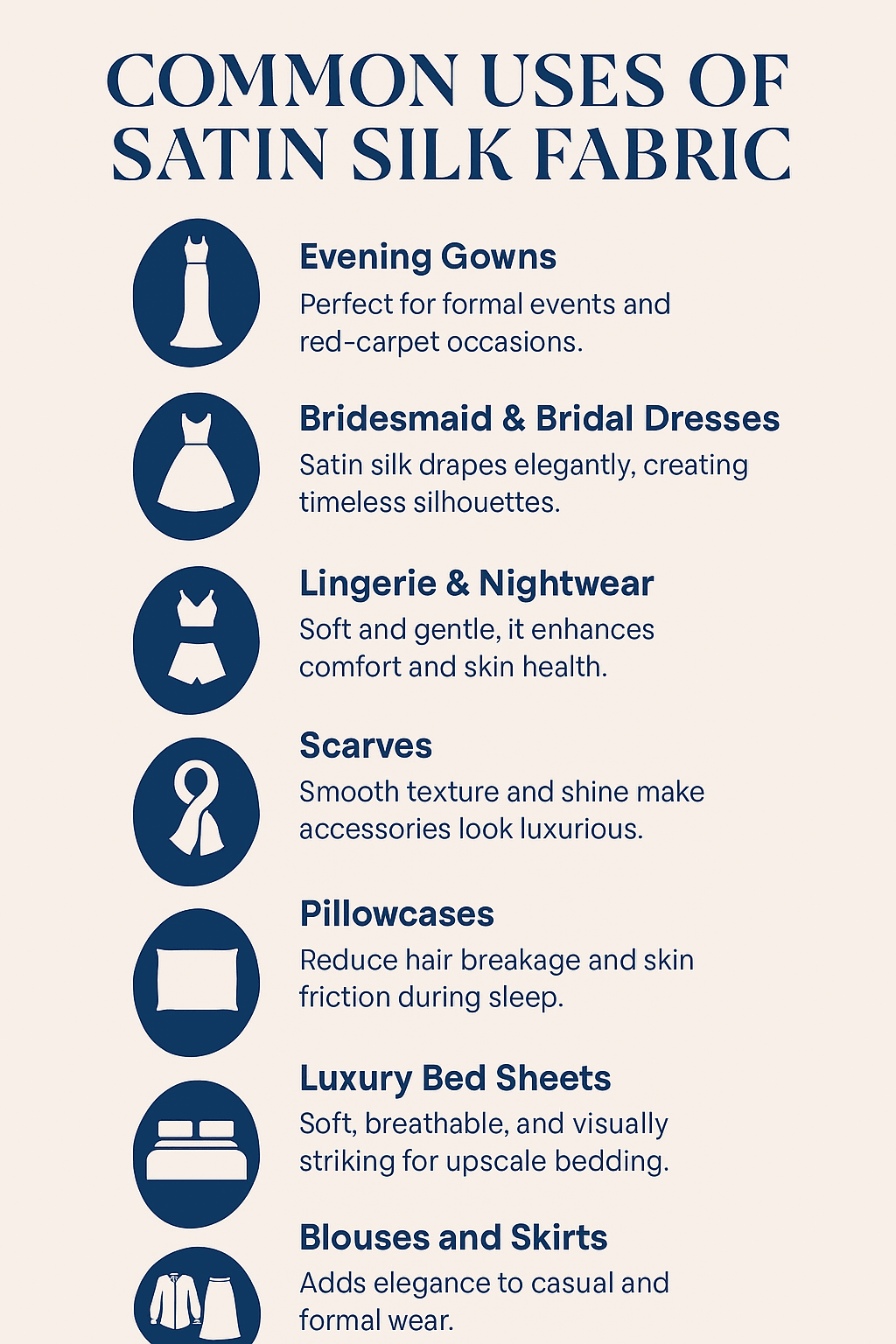
Evening & bridal wear: Satin silk is a prime fabric for formal dresses and bridal gowns.
Lingerie & nightwear: The smoothness of satin silk fabric is perfect for nighttime wear.
Pillowcases & bedding: The texture of satin silk is especially gentle on skin and hair, which is why bed sheets and pillowcases are quite popular.
Blouses & skirts: The formal and sophisticated look of satin silk is why many blouses and skirts choose to go with such fabric.
Is Satin Silk Fabrics Breathable?
Silk fibers can breathe and lets air pass through. Satin silk can regulate temperature by wicking moisture and heat. Satin silk is lighter and smoother than and more breathable than polyester satin which can cause heat exhaustion. Because it’s natural insulation, satin silk is also good for spring and summer garments, but is also good for those cooler evenings.
Is Satin Silk Good for Skin and Hair?
Silk satin pillowcases can reduce hair breakage and frizz by minimizing friction. For those on anti aging routines, satin silk’s smooth surface also helps prevent skin irritation and creasing. Those who have acne can appreciate satin silk being more hypoallergenic and less irritating to skin.
Satin Silk vs Other Satin Fabrics
| Comparison | Satin Silk | Polyester Satin | Rayon Satin | Acetate Satin |
|---|---|---|---|---|
| Feel | Soft, luxurious | Stiff, synthetic | Smooth, slightly stiff | Soft but less durable |
| Shine | Natural, subtle glow | Bright, reflective | Moderate shine | Glossy, artificial |
| Breathability | Excellent | Poor | Moderate | Limited |
| Skin Comfort | Hypoallergenic, gentle | Can irritate | Fairly gentle | May cause friction |
| Longevity | Durable with care | Less durable | Moderate | Fragile |
How to Care for Satin Silk Fabric
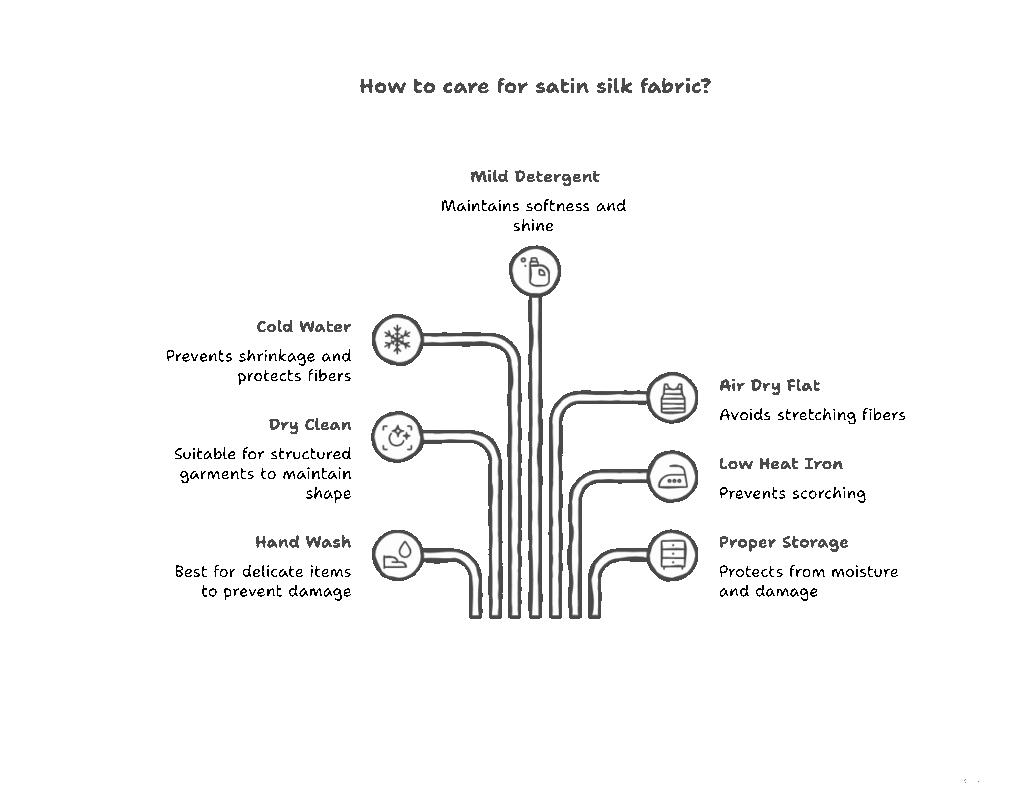
- Hand Wash vs Dry Clean: Choose hand washing for more delicate pieces, otherwise, dry cleaning is more appropriate for structured pieces.
- Cold Water Washing: Cold water washing protects the fibers of the fabric and prevents shrinkage.
- Mild Detergent Only: Softness and shine would be preserved and maintained with the use of mild, non-chemical detergents.
- Air Dry Flat: Stretching of the fibers would be caused by hanging the fabric, and therefore, cheaper fibers would be avoided by hanging, and the fabric should be placed flat.
- Iron on Low Heat: Heat should be avoided with the use of a pressing cloth and low iron heat.
- Proper Storage Tips: Neatly folding the fabric, keeping it away from moisture, and not using plastic bags are recommended.
How to Identify Real Satin Silk Fabric
- Check the Label: Look for signs of 100% silk satin or other natural silk indicators.
- Texture and Shine Comparison: Authentic satin silk has a soft and smooth texture with low temperature.
- Burn Test (Safety Warning): There is a hair-like smell that is released when silk is burned slowly, and other synthetic fibers would melt.
- Price and Brand Indicators: Reputable brands sell authentic silk, and the price would be more expensive.
- Difference from Imitation Satin: Harsh feeling and of lack of breathability is caused by synthetic satin.
Is Satin Silk Sustainable?
Environmental consequences stem from silk production, yet unlike synthetic fibers, silk is biodegradable. Controlled conditions are used when farming mulberry silk, and, unlike satin silk, wild silk has no control, i.e., has no intervention. Ethical silk farming is characterized by the care of the silkworm, and the farming is conducted in a responsible manner. Since satin silk is durable, it leads to a reduction of fast-fashion waste. Thus, satin silk is a better option in the long run.
Conclusion-
Of all fabrics, satin silk is the epitome of luxury, merging the innate softness of silk with the satin weave’s polished finish. It is breathable, elegant, and kind to the skin, while remaining costly and more laborious to care for. Whether for evening gowns, bridal dresses, lingerie, or luxury bedding, the unparalleled comfort and aesthetic of satin silk makes it worth the buy.
Those with tighter budgets can try synthetic satins, which offer a similar appearance but not the feel and long-lasting quality of silk. Knowing this specific quality of satin silk fabric enables and empowers buyers in fields like low satin silk fabric bridal dresses, fashion, home, and personal care.
Read More>> What is Charmeuse Silk Fabric?
FAQs
Yes, satin silk is produced from 100% silk thread woven using satin weave methods. This creates the lustrous front that satin silk is known for alongside a glossy, smooth surface. While a majority of the satin made is polyester, satin silk is still the premium alternative that is 100% natural.
When choosing between satin silk and regular silk, satin silk is a better option if you want a heavier and shinier fabric, goes for a more clothing. Regular silk provides a more textured fabric and a softer glow, which is advantageous to some. In the end, it is all a matter of preference.
Yes, satin silk is extremely breathable due to the natural silk fiber which takes care of regulating airflow and temperature. This makes satin silk great for all-season usage and is specially suited for warm temperature durations.
Yes, satin silk is expensive, since one of its components is natural fiber, in addition to the tedious and complex process of weaving. The lavish texture is also a solid reason and is it expected for it to last a longer amount of time than its cheaper counterparts. It is quite more comfortable than the satin polyester alternatives, which explains the hype surrounding it.