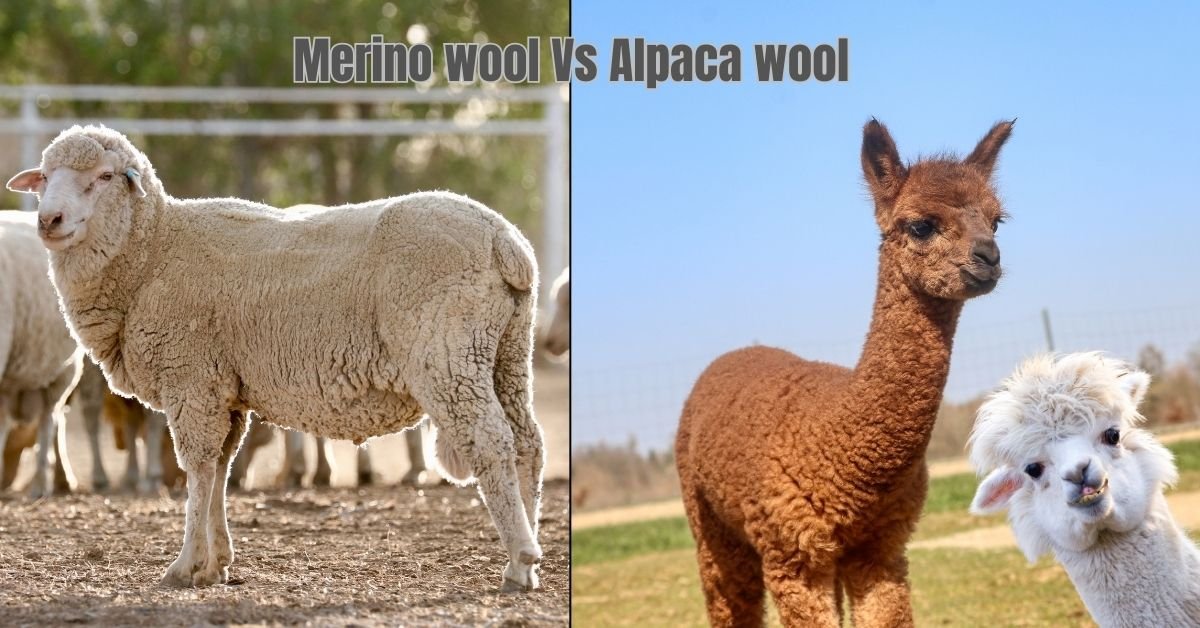

Introduction-
Along with its comfort and versatility, wool has been recognized as a trusted natural fabric for its warmth. Merino wool and alpaca wool are among the best, with each one being praised for its wonderful feel and great performance. Alpaca wool comes from the South American alpacas while merino wool comes from the merino sheep which is highly valued. Alpaca vs merino wool:
The important issue that a lot of people ponder on is: which is warmer- alpaca wool or merino wool? This is a concern as the above mentioned qualities determine the comfort level on different activities and climates. Choosing the right wool goes a long way in comfort, bulk minimization as well as aiding in sustainable clothing decisions.
This is the reason why we will compare warmth, softness, breathability, durability, sustainablility and cost for both kinds of wool in light of the above factors to determine which of the two is the alpaca vs. merino wool.
What is Alpaca Wool?
Alpaca wool comes from somewhere very special – from the precious Alpaca itself. These exotic creatures were found roaming the highlands of South America. The locals have long been crafting from the wool of the Alpaca to create coats and blankets to provide protection from the cold. In today’s world, the wool is considered one of the finest natural fibers available.
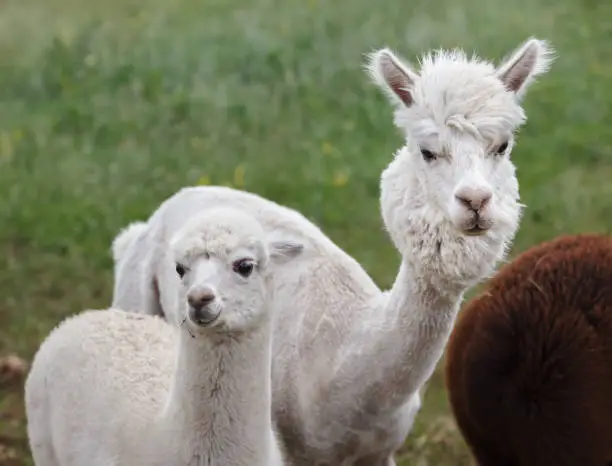
Origin of Alpaca Wool
Alpaca wool comes from the beautiful Alpacas that can be found in Peru, Bolivia, and Chile.
These fascinating creatures have been long domesticated for their very fine fleece.
To the Incas, the wool was considered ‘the fiber of the gods.’
Alpaca wool has been exported from Peru the most, making the country the leading exporter around the world.
Characteristics
Soft and luxurious: Softer than standard sheep wool and nearly as soft as cashmere.
Hollow strands: Traps air which adds additional warmth and insulation.
Featherweight: Retains warmth without the added bulk.
Sturdy: Not as likely to pill than other wools.
Hypoallergenic: Less lanolin which makes it safe for sensitive skin.
What is Merino Wool?
Merino wool comes from the Merino sheep which originated from Spain. They are now bred all over the world, predominantly in Australia and New Zealand. The wool has ultra-fine fibers which allow it to be softer and more versatile than regular wool.
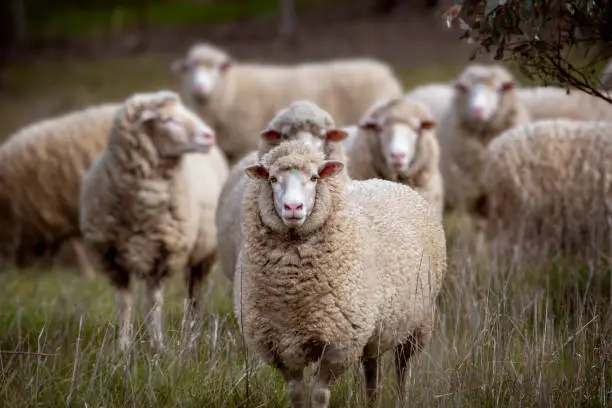
Origin of Merino Wool
Spain is the first country to breed the Merino sheep because of the quality of wool it provides.
Australia and New Zealand are the leading suppliers of Merino wool in the world.
Its high demand in the sports, outdoor, and fashion industry.
The softness, breathability, and how well it performs are the reasons why it is highly sought after.
Characteristics
Fine fibers – Soft and significantly less scratchy than traditional wool.
Breathability – Permits air movement to conserve heat.
Moisture-wicking – Keeps the skin untouched and dry, while still taking the moisture away.
Elasticity – Stretches easily and keeps its form.
Odor-resistant – Prevents the growth of bacteria, and thus the clothes stay fresh.
Warmth Comparison: Alpaca vs Merino Wool
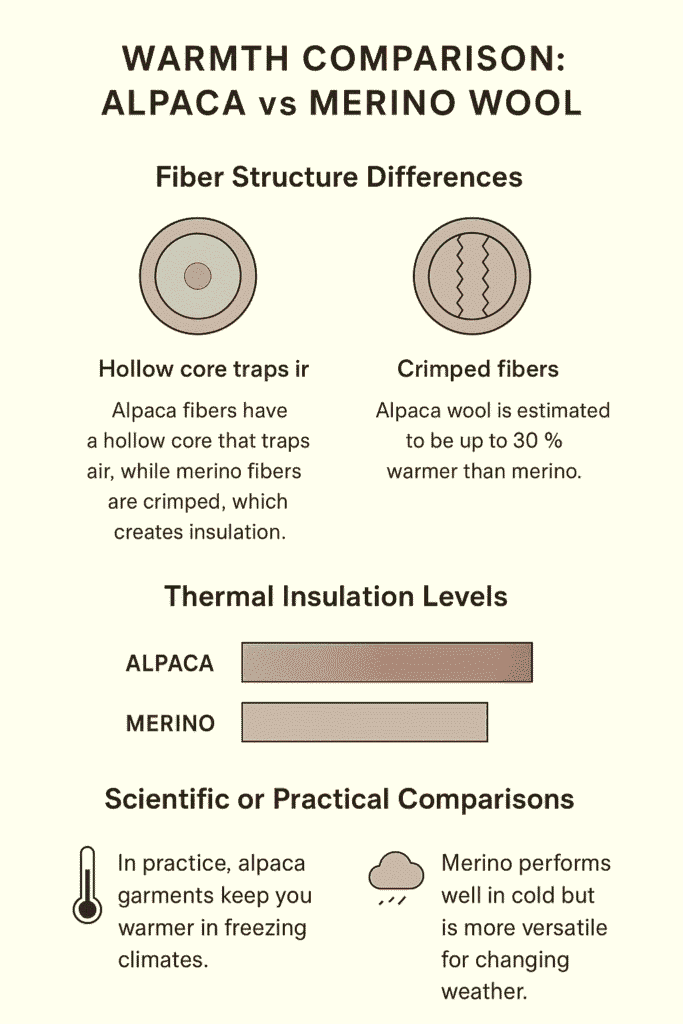
Differences in Fiber Structure
The special hollow core is an alpaca fiber, which captures air as miniature thermal pockets. This design will enable the alpaca wool to hold a larger amount of heat without any additional weight. However, Merino fibers are more crimped thus also providing insulation but to a lower extent.
Thermal Insulation Levels
Research and experience indicate that alpaca wool may be 30% warmer than merino. The hollow fibers also form more effective insulation against cold which makes alpaca more effective in extreme winters. Merino remains a great choice in terms of warmth, but it finds a more optimal balance in moderate climate.
Comparisons of a Scientific or Practical Character
In actual use, even lighter-weight alpaca clothing will keep the wearers warmer in freezing weather. Merino also works well in cold environments, but its advantage is that it can be used in various activities and climates. This is what makes alpaca better than merino in harsh cold, and merino better than alpaca in versatility.
| Aspect | Alpaca Wool | Merino Wool |
|---|---|---|
| Fiber Structure | Hollow core traps more air | Crimped fibers create insulation |
| Thermal Insulation | Up to 30% warmer | Warm, but less insulating |
| Practical Use | Best for extreme cold | Versatile for changing weather |
Breathability and Moisture-Wicking
Although both alpaca and merino wool resist moisture, their approaches differ somewhat. The fine fibers in merino wool readily wick moisture from the skin, which is why it is so popular in active wear. In contrast, uses of alpaca which involves low activity is where its breathability and ability to retain heat shine.
Because merino wool is warmer, it is often the preferred choice for skiing, hiking, and most sports. In contrast, the uses of alpaca wool are more casual. It is ideal for winter coats, blankets, and other cold-weather garments where breathability is not essential.
| Aspect | Alpaca Wool | Merino Wool |
|---|---|---|
| Breathability | Moderate | Excellent |
| Moisture Control | Good absorption | Superior sweat-wicking |
| Best Use | Casual wear, cold weather | Sports, hiking, active wear |
Softness and Comfort
Both Alpaca and Merino are soft, but probably Alpaca feels silkier. The fact that there’s no lanolin in Alpaca makes it less itchy and good for wool allergy sufferers. Merino is still softer than non-superfine wool and feels smoother against the skin, particularly in the finer grades.
For direct skin contact, like base layers or the underwear, merino is probably more comfortable because of the stretch and looseness. Alpaca is softer and more luxurious, ideal for scarves or high-end sweaters.
| Aspect | Alpaca Wool | Merino Wool |
|---|---|---|
| Feel on Skin | Silky and smooth | Soft and flexible |
| Allergies | Hypoallergenic (no lanolin) | May irritate very sensitive skin |
| Best Contact | Scarves, sweaters, blankets | Base layers, underwear |
Durability and Longevity
How long these garments last is anywhere between five to ten years, depending on maintenance, but alpaca wool is, on average, stronger when it comes to pilling and stretching resistance compared to merino. Аlраса garments easily last several decades, given the proper maintenance.
Despite it being strong, merino is much softer and delicate, particularly the finer grades. It tends to pill under heavy use, although the wool’s elasticity contributes to determining the final shape after several washes. The lifespan of both wools is greatly shortened unless proper maintenance is evenly distributed.
| Aspect | Alpaca Wool | Merino Wool |
|---|---|---|
| Resistance to Pilling | High, less prone | Lower, may pill with use |
| Strength | Stronger fibers | Fine but more delicate |
| Lifespan | Lasts decades with care | Long-lasting but less than alpaca |
Weight and Bulkiness
One key difference between alpaca and merino wool is how warm and light they feel. Alpaca wool , althoug warmer and lighter, makes clothes less clunky.
Merino, is warmer, yet feels a little heavier but provides more stretch. While traveling, alpaca provides warmth without bulk and merino wool is easier to wear in a variety of different climates.
| Aspect | Alpaca Wool | Merino Wool |
|---|---|---|
| Warmth-to-Weight Ratio | Lighter yet warmer | Slightly heavier |
| Bulkiness | Minimal bulk | Moderate bulk |
| Travel Use | Great for packing, compact | Flexible for layering |
Environmental Impact & Sustainability
Both fibers can be regenerated and can decompose naturally. Still, alpaca farming is viewed as more environmentally responsible. Alpacas, unlike sheep, have padded feet which are more gentle on the soil and use less water.
The farming of Merino sheep is common, but it is often associated with overgrazing as well as the intensive use of water. Still, modern, responsible sheep farms have focused on environmental stewardship. The two types of wool fabrics are far more environmentally friendly when compared to artificial fabrics.
Price Comparison
The rarity of alpaca wool – especially relative to merino wool – makes it more expensive and increases it’s supply. Thus, an alpaca wool sweater would likely be significantly more expensive than a merino wool sweater.
With regards to cost and performance balance, merino wool provides superior value for activewear. However, alpaca offers more luxurious long-lasting investment pieces.
Best Uses for Each Fabric
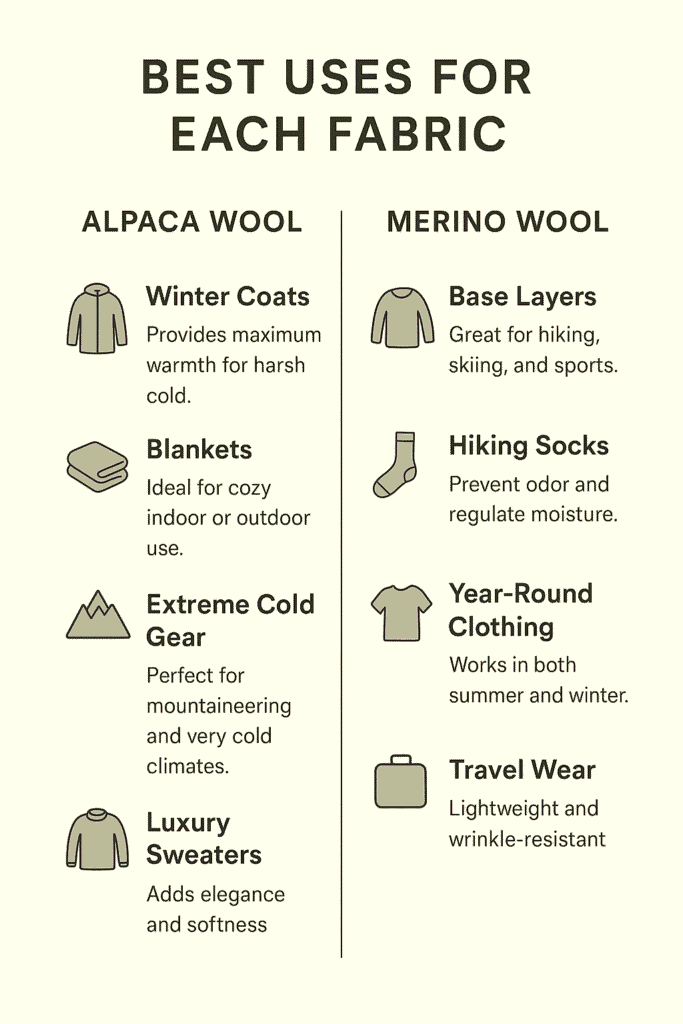
Alpaca Wool
- Winter Coats: Provides optimum insulation against severe cold conditions.
- Blankets: Most suitable for leisurely use in the open or in rooms.
- Extreme Cold Gear: Most appropriate for use in mountaineering and frigid conditions.
- Luxury Sweaters: Enhances sophistication while providing an element of comfort.
Merino Wool
- Base Layer: Useful for hiking, skiing and sports.
- Hiking Socks: Moisture control and odor prevention.
- All Season Apparel: Effective in both summer and winter.
- Travel Clothing: Lightweight and non-creasing.
Pros & Cons of Alpaca and Merino wool
| Feature | Alpaca Wool | Merino Wool |
|---|---|---|
| Warmth | Up to 30% warmer | Warm but less insulating |
| Softness | Silky, hypoallergenic | Very soft, elastic |
| Durability | Resistant to pilling, long-lasting | May pill, retains shape |
| Weight | Lightweight, less bulky | Slightly heavier |
| Breathability | Moderate | Excellent |
| Moisture Control | Good | Superior |
| Cost | More expensive | More affordable |
| Best For | Cold winters, luxury | Active wear, year-round use |
Conclusion-
In the ‘alpaca vs merino wool’ debate, both are breathable, warm, comfortable, and sustainable materials. However, alpaca is lighter, warmer, and hypoallergenic, which makes it ideal for extreme cold weather and high-end luxury garments. On the other hand, merino wool is versatile, highly breathable, and is superb at moisture-wicking which makes it very useful for sports, travel, and casual everyday apparel.
Alpaca wool vs merino wool, is alpaca warmer than merino wool? To answer your question, Yes, alpaca is warmer than merino wool, and it is also averagely 30% warmer. However, the best choice for you would depend on your needs—luxury warmth is provided by alpaca wool, while merino wool offers versatile performance. Both are excellent natural fabrics and fabrics worth investing in.
FAQs
Indeed, alpaca does provide greater insulation than standard merino wool, unlike other fabrics more merino wool than alpaca, which are warmer and, thus, better for extreme cold climates and virtually all types of weather. For freezing temperatures, merino wool is considered inferior.
In a general sense, no, alpaca is less itchy, with the argument being that there is no lanolin in sheep alpaca wool. This is also the reason why alpaca is the preferred fiber for sensitive skin and people with wool allergies. Merino does have its advantages, such as it’s also soft, but usually is not described as softer than silk with that being the case.
With the right care, alpaca wool will last longer than merino wool, as it does not pill or stretch. Further, it is comprised of strong fibers, enabling the garments to remain in good condition for many years. Merino is also strong, especially the base grade, however it will be the first to wear out.
In most cases merino wool is the preferable option for outdoor activities like hiking, skiing and running. It offers better fabric moisture management together with breathability and body odor control, thus greatly enhancing comfort in active-use situations. Although warm alpaca wool is better suited for casual wear or for static use in cold weather.
Really interesting breakdownBlog comment creation between alpaca and merino — I didn’t realize alpaca fibers are naturally hollow, which explains why they trap heat so efficiently compared to merino. One factor I’ve noticed in practice is that alpaca tends to feel lighter while still keeping you warm, which can be a big plus for layering in colder weather. Curious if you’ve come across any studies comparing how each holds up after repeated washing, since that’s where durability differences really show up.
Excellent info! Exactly what I needed in making a decision on a throw .