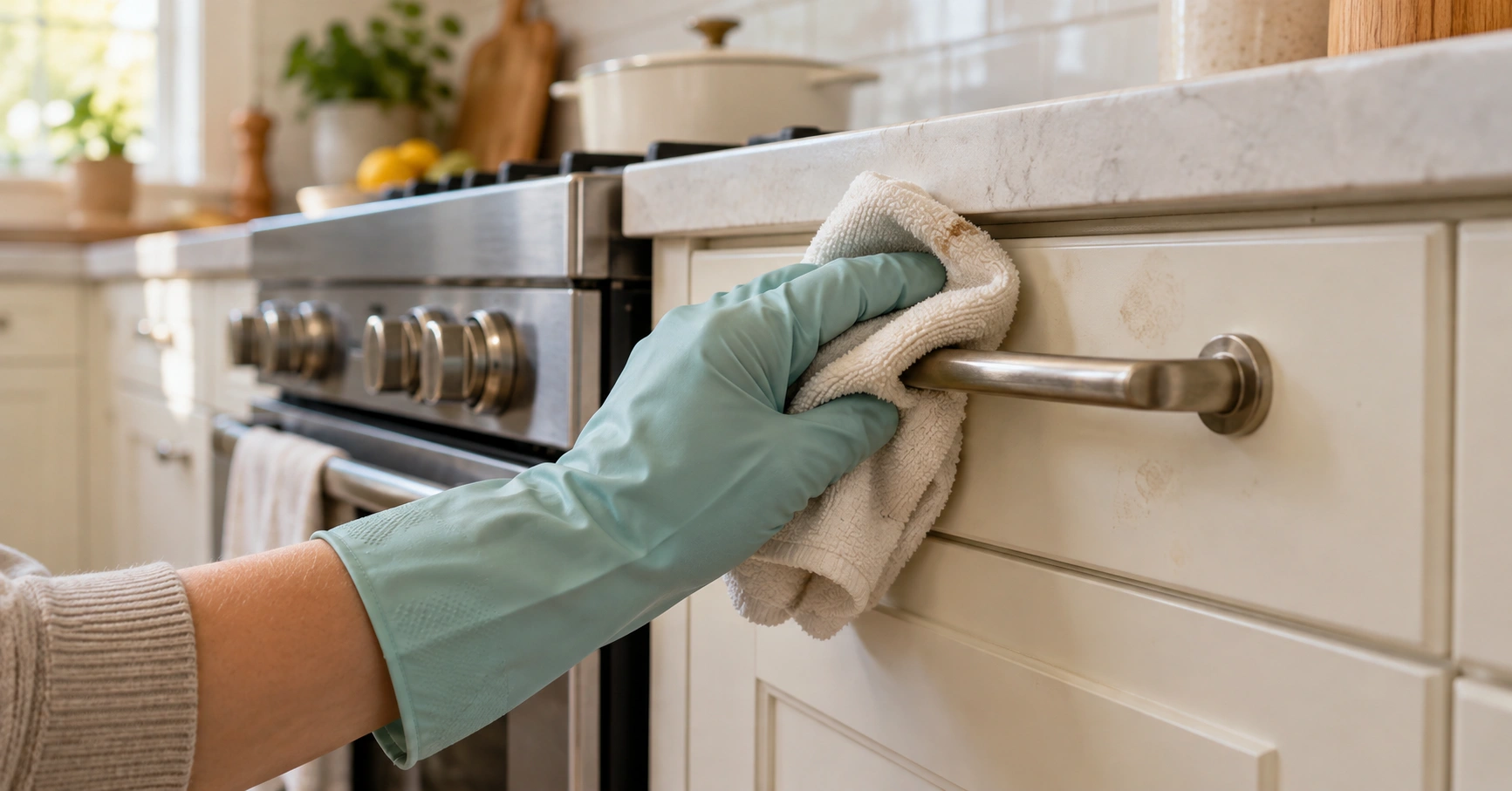

A kitchen often looks clean long before it actually is. The counters have been wiped, the sink is empty, and the floor has had a quick sweep. At first glance, everything seems fine. Yet grease settles around cabinet handles, crumbs collect along appliance edges, and residue builds up in places that rarely make it onto a daily cleaning list. That gap between visible tidiness and deeper cleanliness is why a weekly cleaning service often goes beyond routine upkeep, giving more attention to the areas that gradually collect grime despite regular wiping and sweeping.
The Mess Does Not Stay on the Counter
Cooking sends more material into the room than most people notice. Tiny droplets of oil travel through the air and settle on nearby surfaces. Steam carries moisture upward, where it reaches cabinet fronts, walls, vents, and light fixtures. Food particles fall into narrow gaps beside stoves and refrigerators.
A damp cloth removes fresh spills, but older residue behaves differently. Grease gradually develops a sticky layer that traps dust and dirt. Cabinet pulls begin to feel slightly tacky. The area above the stove takes on a dull film. Grout darkens little by little rather than becoming dirty overnight.
Because these changes happen slowly, people often stop noticing them.
High-Touch Areas Get Dirty Fast
Kitchen cleaning tends to focus on obvious surfaces, while hands repeatedly touch dozens of smaller spots throughout the day. Refrigerator handles, drawer pulls, faucet controls, appliance buttons, switches, trash lids, and cabinet doors receive constant contact.
These areas rarely look dramatic enough to demand attention. Still, fingerprints, food residue, oils from skin, and splashes accumulate there. A more thorough cleaning routine includes these details instead of concentrating only on counters and floors.
The same principle applies elsewhere in a property. Door handles, railings, switches, shared desks, bathroom fixtures, and other frequently touched surfaces often need more attention than their appearance suggests. Professional cleaners usually work through a broader cleaning plan, which reduces the chance that less obvious areas get skipped week after week.
Appliances Hide More Than Expected
The space around an appliance often tells a different story from the front of it. Crumbs gather beneath toasters and small countertop appliances. Grease settles behind cooking equipment. Refrigerator seals collect spills and food particles. The sides of large appliances trap dust in narrow spaces that rarely receive regular attention.
Cleaning these spots takes more effort than wiping an exposed surface. Objects need to be moved, edges need to be reached, and hardened residue often requires proper cleaning products and extra time.
That is where deeper scheduled cleaning becomes useful. Daily upkeep keeps mess under control, while periodic detailed cleaning deals with buildup before it becomes difficult to remove.
Fun fact: Kitchen grease does not always stay near the stove. Fine airborne droplets travel with steam and air movement before settling on cabinets, walls, shelves, and nearby objects. That is why surfaces several feet away from the cooking area sometimes develop a sticky film even when food never touches them directly.
Floors Need More Than a Fast Pass
Kitchen floors collect a mixture of crumbs, grease, dust, moisture, and tracked-in dirt. Sweeping removes loose debris, but it leaves behind residue attached to the floor itself. Mopping quickly with dirty water often spreads that residue rather than removing it.
Edges are another common problem. Dirt settles along baseboards, beneath cabinets, around furniture legs, and behind doors. These narrow sections receive less traffic, so grime stays in place until someone deliberately cleans them.
Professional cleaning often goes further into these overlooked areas. The goal is not to make the room appear freshly wiped for an hour. It is to remove the material that routine cleaning leaves behind.
Deep Cleaning Has a Place Beyond the Kitchen
Kitchens make buildup easy to see because cooking produces grease, crumbs, moisture, and frequent spills. Similar patterns exist throughout a property. Bathrooms develop soap residue and mineral deposits. Dust settles on trim, vents, shelves, and fixtures. Floors gather dirt along edges and beneath furniture. Frequently touched surfaces collect marks faster than people realize.
This is why occasional professional cleaning makes sense even where regular housekeeping is already part of the routine. It reaches areas that fall outside the daily checklist and gives heavily used spaces a more complete reset.
A five-minute wipe-down still has value. It keeps fresh spills from drying, clears crumbs, and makes the kitchen pleasant to use. The mistake is treating that quick routine as the whole job. A room that works hard every day eventually needs someone to clean the places the cloth does not reach.