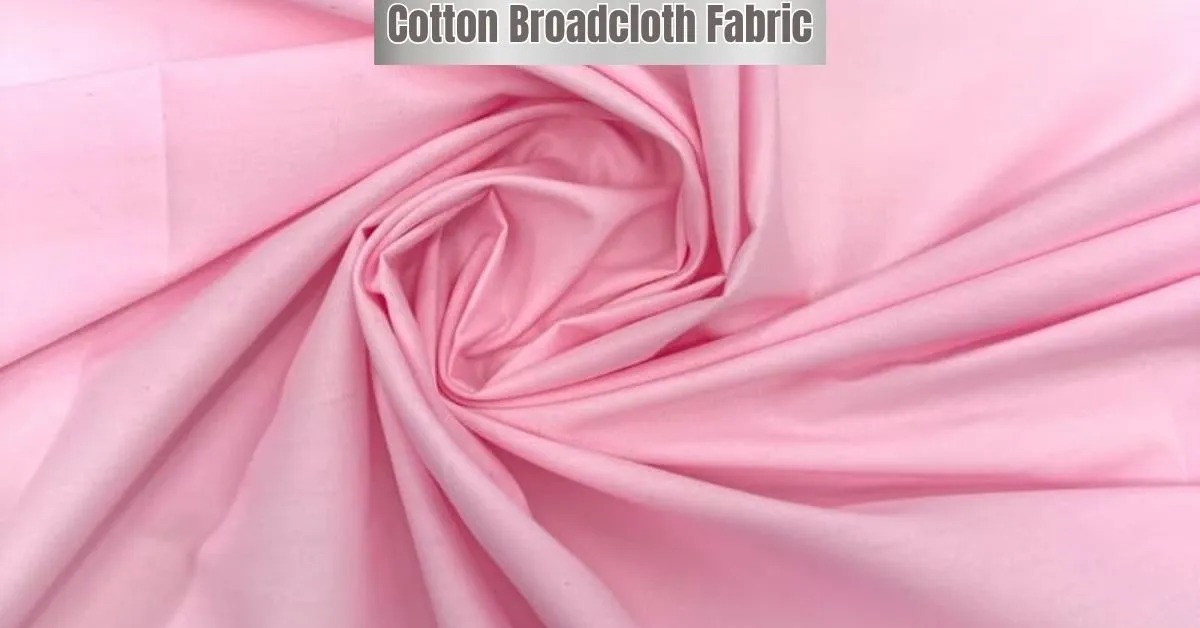

Cotton broadcloth fabric is a thin and plain-weave tightly woven fabric made of cotton, which has a smooth texture and uniform surface. It has a crisp, polished finish and slight sheen that give garments a professional look. This all round fabric is commonly utilized in dress shirts, blouses, school uniforms, linings and quilting.
The process of making Cotton Broadcloth Fabric
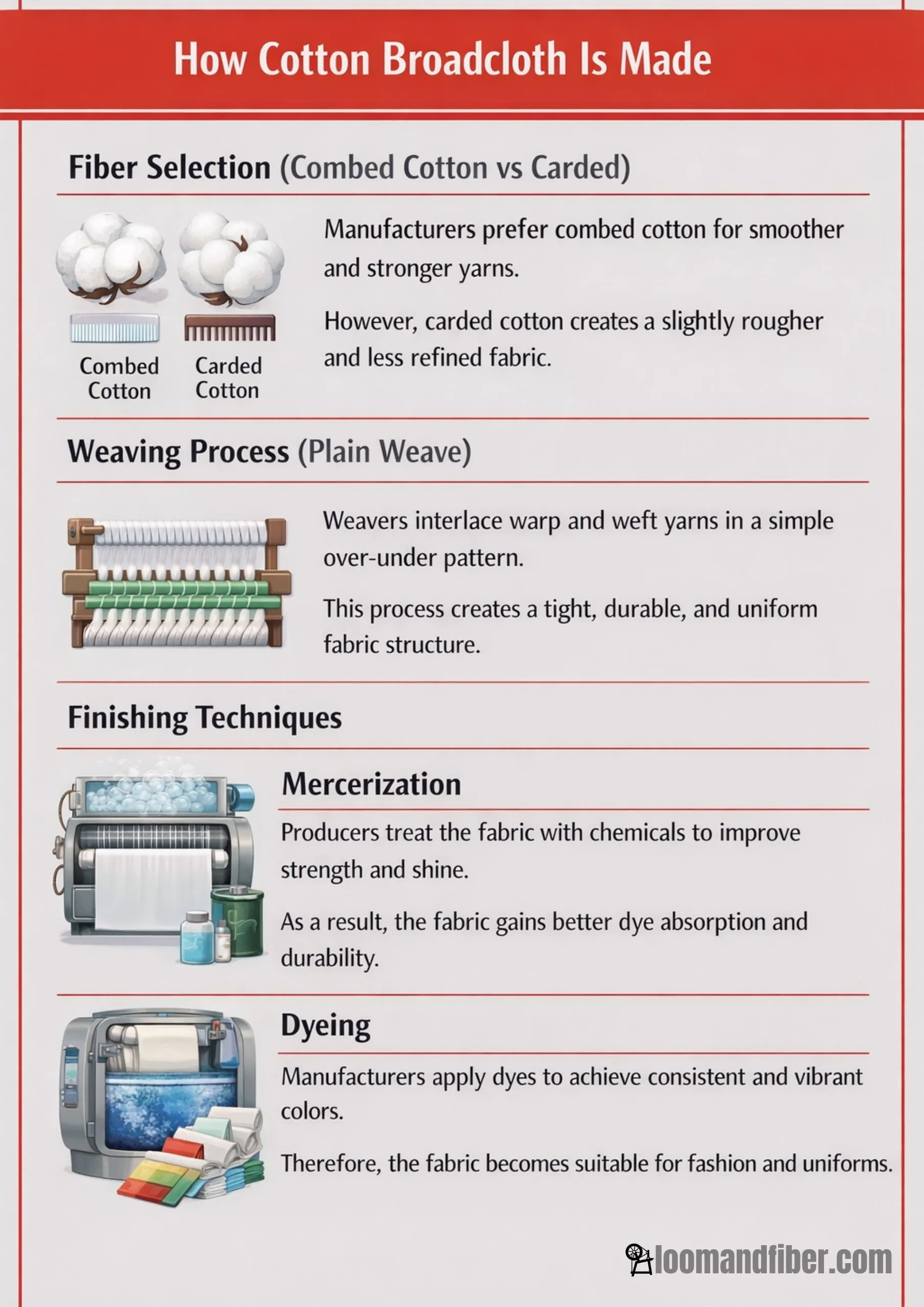
Fiber Selection
High-quality broadcloth is usually made out of combed cotton yarns, since the short fibers are removed in the combing process in order to achieve a smoother finish. Carded cotton can be utilized in lower quality broadcloth, but it is more coarse and cheaper.
Weaving Process
The cloth is woven in a plain (tabby) weave, i.e. each thread of the weft passes over one thread of the warp and under the next. Such a plain, yet compact weave gives the fabric its characteristic fine, tight feel and provides a smooth face.
Finishing Techniques
Broadcloth is often mercerized (treated with alkali), to enhance luster, strength, and dye affinity. The plain weave, which is even, also looks like it takes dyes evenly: when it is a solid color (such as navy or black), it looks rich and deep on broadcloth. Dyeing and optional wrinkle-resistant finishes (or poly-cotton blends) are introduced in the commercial production to improve the performance. As an example, cotton/poly blends eliminate wrinkling and maintain most of the breathability of cotton.
Main Features of Cotton Broadcloth
Lightweight: Broadcloth’s fine yarns and close weaves make this cotton fabric lightweight. Without being heavyweight, it has great draping abilities.
Breathable: Since broadcloth is made from 100% cotton and uses a plain weave technique, it is breathable, and therefore, ideal for hot environments. Broadcloth permits air flow better than a fabric made from a heavy weave.
Smooth Surface: Broadcloth’s weave is uniform and plain, and this results in a clean surface that has no tall textures and no interruptions.
Slight Sheen: A tension of Mercerization, or a well-finish, produces broadcloth of subtle luster and sheen that can make plain fabric look grand. Thus, broadcloth is ideal for formal and polished looking shirts.
Durable yet Soft: Broadcloth’s look can mislead a person to think it is fragile; however, it is a strong fabric. Broadcloth retains its structure for a soft feel, and its fabric finish is softer than a gentler finish.
Cotton Broadcloth vs Other Fabrics
| Comparison | Key Differences |
|---|---|
| Poplin vs Broadcloth | Broadcloth is a fine, high-thread-count plain-weave fabric with a smooth, uniform surface. Poplin uses a similar weave but with a more pronounced ribbed weft, giving it a faint stripe-like texture. Both are used for shirts, but broadcloth looks sleeker while poplin has a subtle texture. |
| Lawn vs Broadcloth | Lawn is an ultra-lightweight, open plain-weave cotton that is crisp and often semi-sheer. In contrast, broadcloth is denser and opaque with a heavier hand. Lawn is ideal for airy summer garments, whereas broadcloth provides more structure for tailored shirts and dresses. |
| Cambric vs Broadcloth | Broadcloth is relatively heavier and more structured than cambric. It holds its shape and provides a crisp finish. Cambric, by comparison, is a very lightweight, fine cotton with a loose weave. Cambric drapes and breathes more, making it ideal for summer shirts, while broadcloth feels sturdier. |
| Oxford vs Broadcloth | Oxford cloth uses a basket weave (typically 2×2 weave) and thicker yarns, making it heavier and more textured. Broadcloth is plain-weave and smoother and lighter. As a result, broadcloth looks dressier (formal button-ups), whereas Oxford is casual and softer (like oxford shirts or jackets). |
Read more>> Types of Lightweight Summer fabric.
Common Uses of Cotton Broadcloth Fabric
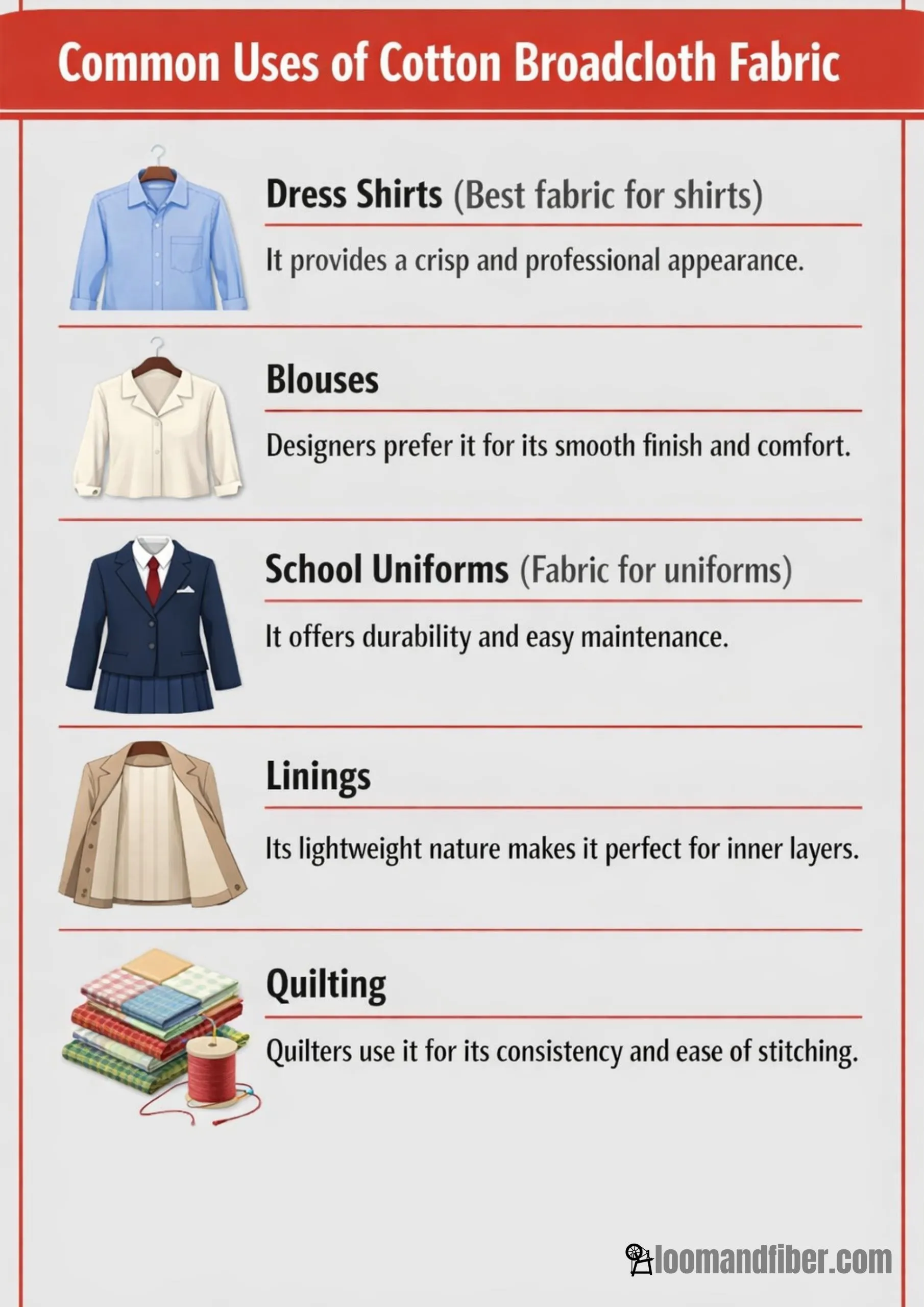
The smooth finish of cotton broadcloth gives it a classy look and very comfortable. Such a versatile fabric is used in all sorts of creations from clothing to crafts. Here are some of its applications:
Dress Shirts: Professional-looking tailored dress shirts are made with broadcloth.
Blouses: Broadcloth is also used in women’s blouses and dresses as its fabric looks excellent.
School Uniforms: It is very popular among school uniforms and various work uniforms. It is long lasting and retains its crisp, clean look. The crisp quality helps the uniforms look immaculate day after day.
Linings: The lightweight quality of broadcloth makes it a great choice for linings for both clothing and bags.
Quilting & Crafts: Broadcloth is a fan favorite among crafters for is easiness to sew and because it is so affordable, especially for quilting and home décor projects. The fabric holds stitches so well, making it great for all sorts of projects. It comes in a variety of colors as well.
Advantages of Cotton Broadcloth
- Smooth & Professional Look: Broadcloth undergoes an intricate weaving process that translates into an irrefutably refined look. It can appear even more impressive and sophisticated on a dress or shirt.
- Comfortable for Daily Wear: The cotton used to make broadcloth allows for a gentle touch and provides optimal ventilation. Despite the stiff look that may be evoked by broadcloth with a quick glance, the lightweight nature ensures wearers remain at ease.
- Easy to Sew: Broadcloth invites your creativity. It never stretch and provides a clean cut so it never causes any frustration. In sewing communities, it is a common recommendation for any sewing plans due to is versatility. it also sews and feeds excellently into the machine.
- Affordable: Broadcloth made of cotton is designed with a standard cotton and weaving methods. Prices tend to reflect this and hence are very affordable.
Disadvantages of Cotton Broadcloth
- Easily Wrinkled: Wrinkling is a characteristic of pure cotton broadcloth. Without treatment or some sort of blending, broadcloth will look very rumpled. (Blending fabrics, such as poly-cotton, or using a specialized finishing treatment will help, but fully cotton broadcloth will still crease.)
- Less Textured (Monotony): Because of the smooth, uniform surface of broadcloth, some may even consider it a bit plain, particularly relative to fabrics that are patterned or have textures.
- May Shrink if Untreated: Broadcloth is woven cotton, so it may shrink about 2–4% during the first wash, especially if washed hot. Pre-washing the fabric or using a cold wash cycle is important to avoid unexpected size changes. Untreated broadcloth will shrink just like cotton will, and so are the consequences of the weave.
Is Cotton Broadcloth Good for Summer?
Cotton broadcloth is a great fabric for windy, hot days as it keeps your body cool and dry by absorbing moisture and allowing air to pass through the fabric easily. While broadcloth is a great fabric for summer clothing, it also provides balance in breathability and versatility because it is good for all styles – casual and formal.
Lawn is a good summer fabric as well, but it is much more lightweight and a more breathable choice – however, it offers a lot less in terms of good summer clothing durability.
GSM & Weight Guide
Cotton broadcloth generally categorizes between a light and medium weight fabric and falls between 100 and 150 GSM ( grams per square meter) typically. For instance, a supplier selling 100\% cotton broadcloth offers it at approximately 120 GSM. A cotton/poly broadcloth is a little heavier at 100 – 115 GSM.
- Lightweight Broadcloth (~90–120 GSM): Ideal for summer tops, blouses, and kids’ clothing. Has a soft drape and is airy.
- Medium-Weight Broadcloth (~120–150 GSM): Has more structure and is great for tailored shirts, and uniforms. Broadcloth is a heavier fabric for dresses.
When selecting broadcloth for a project consider the body weight for the fabric. For summer clothes and fine quilting a lighter broadcloth would be more appropriate and medium weight would be better for clothing that is going to need more structure, like a work shirt, uniform or just something that is going to be used frequently. For appropriate weight broadcloth always check the GSM that is provided and don’t hesitate to ask the supplier.
How to Identify Cotton Broadcloth Fabric
- Visual Cues: Broadcloth is a very fine plain weave fabric. For broadcloth, the surface is completely devoid of patterns, so there’s no rib patterns and no diagonals. Inspect it closely: standard broadcloth has a simple, slight, even, and slick surface with a close weave that meets the eye.
- Touch/Feel: Broadcloth has a distinctive texture. The fabric is lightweight. and yet has a stiffness with a soft, even finish. It doesn’t have the fluidity of a jersey and isn’t the stiffness of a canvas. Press it between your fingers. Broadcloth will show the natural finish because it has a gentle finish.
- Denier: A typical broadcloth is constructed of fine, high-thread-count yarns, which is often the case with 40D yarns. A quick clue is that it often has a labeled denier or thread count in specs (e.g. “40D×40D”).
Dyeing, Printing & Customization Options
Pure Colors
- Solid colored broadcloth is produced by the manufacturer for uniformity.
- This guarantees a uniform appearance and professional finish.
Patterned Broadcloth
- A screen (or) a rotary printing technique is used by a designer to put patterns.
- So the fabric is appropriate to be used in fashion garments.
Digital Printing
- Broadcloth is compatible with digital printing.
- This gives the fabric an opportunity for high-resolution detailed designs.
How to Care for Cotton Broadcloth
- Washing: Use a cold or lukewarm wash cycle for broadcloth, and use a gentle cycle. Detergent should be mild, and avoid bleach (it deteriorates fibers and should be avoided). Broadcloth should generally be washed with like colors. Excessive shrinkage is avoided with cold wash.
- Ironing: Use low to medium heat to iron. Cotton broadcloth is especially prone to wanting to wrinkle, and ironing is a good way to get it smooth again. Iron and use steam or be a bit damp.
- Prevention: Washing broadcloth in cold water is a must. Avoid high temps since shrinks your fabric and your broadcloth. Air drying or tumble drying on low will minimize shrinkage too.
Shopping guide
- Thread Count
- Higher numbers indicate a better level of quality, especially in durability.
- Fabric Quality
- Look for patchless, smooth, and plain reinforced design.
- Finish
- For a stronger fabric that has nice luster and sheen, go for mercerised.
- Where to Use It (By Project)
- For uniforms, consider medium weight, but for shirts, think of a lightweight fabric.
Price of Cotton Broadcloth Fabric
Cotton broadcloth is generally an affordable fabric. For 100% cotton broadcloth in retail quantities, expect to pay about $6-$12 per yard. Things that may increase this price include:
- Fiber Content: Poly blends are cheaper. Broadcloth made with organic cotton is more expensive.
- Thread Count & Finish: Broadcloth that is denser with more uniform and finer yarns will be more expensive. Mercerized broadcloth (which has a high luster finish) may cost more than plain broadcloth.
- Brand/Wholesale: Retail stores may charge $10-$15/yd, while some brands or wholesalers may sell broadcloth at discount bulk prices ($5/yd+). For example, one supplier has broadcloth listed at $7.99/yd.
- Market Trends: Prices may be influenced by the availability of cotton and sustainable materials, as well as consumer demand. Always check a few sellers to get the best prices.
Trends in Cotton Broadcloth Fabric (2026)
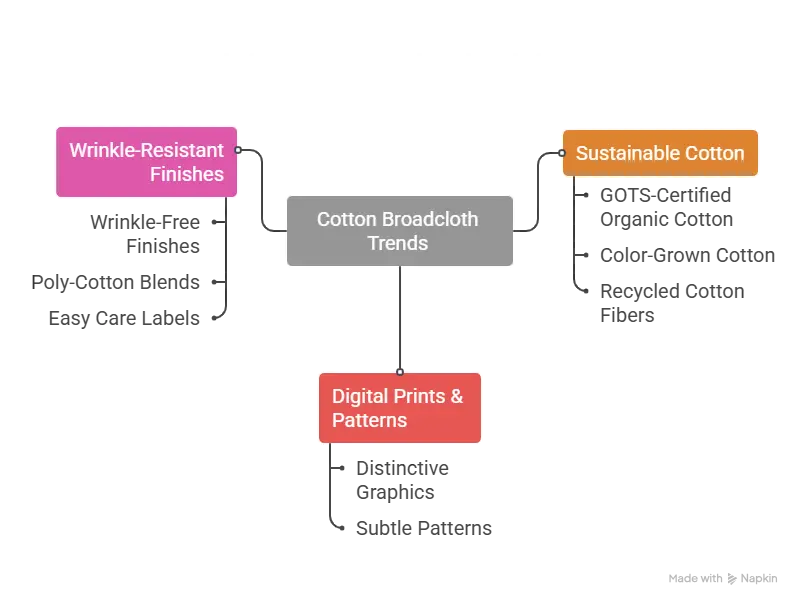
Sustainable Cotton:
Eco-friendly broadcloth is becoming ever more popular. In response to consumer conscience, suppliers have begun selling GOTS-certified organic cotton broadcloth. Take for example, Organic Cotton Plus, which sells 120 thread count broadcloth that is 100% organic cotton.
Organic Broadcloth:
There is also interest in color-grown (naturally colored cotton) broadcloth, as well as broadcloth that is woven with some recycled cotton fibers in keeping with the sustainability movement.
Digital Prints & Patterns:
In broadcloth, custom digital printing is becoming more of the norm for fashion and decor. Distinctive graphics and subtle patterns have found their way to broadcloth for shirts and home textiles. This fusion of traditional fabric and contemporary design keeps broadcloth up to date.
Wrinkle-Resistant Finishes:
Broadcloth is responding to busy lifestyles with more fabrics advertised with wrinkle-resistant (or wrinkle-free) finishes or offered as poly-cotton blends. These finishes and blends minimize wrinkles while maintaining the fabric’s streamlined look. In 2026, broadcloth fabrics labeled ”easy care” will be more common.
Conclusion-
In the realm of textiles and garment construction, cotton broadcloth fabric is unrivaled in popularity. It not only provides comfort and durability, but also offers a professional appearance. It is versatile in application from shirts to uniforms, and provides consistency in results.
Will you consider cotton broadcloth for your next project?
Read More>> What is Cotton Jersey Fabric?
FAQs
Both fabrics have poor weave construction but are not the same. Broadcloth has a smoother surface due to a finer yarn construction. While poplin has a more ribbed construction due to the use of thicker crosswise yarns. Poplin feels more crisp and broadcloth feels more soft and sleek.
That choice is understandable. Cotton broadcloth is an ideal choice for construction of a dress shirt, blouse and even work uniforms. Broadcloth is timeless due to its crispness and polished surface. Its smooth surface also makes it very comfortable to wear.
On the contrary, 100% cotton broadcloth is very prone to wrinkling. Cotton fabrics that are untreated simply crease due to a lack of folding memory. Cotton broadcloth is best untreated if you do not wish to have a wrinkle resistant fabric.
Broadcloth is generally breathable. Plain weave construction is very open which allows for the even distribution an circulation of air. It is also more denser than many sheer fabrics, which is why fabrics like cotton lawn and cotton voile are more breathable than broadcloth. Broadcloth is comfortable to wear during the summer in warm and moderate climates.